Reforge has joined Miro ↗
Article details
There's endless speculation about AI's future capabilities. That creates noise and paralysis for product teams that need to be building today. The real signal product teams need to pay attention to is how their customer expectations are changing right now. What customers consider normal and acceptable in their product experiences is evolving. Here are 7 ways those they are changing.
Navigating The AI Quicksand
I’m a huge believer in AI. As I wrote in AI Native Product Teams, I believe AI is changing how product teams will think, work, and build together. We have new constraints and possibilities around the products we can create and how we grow them.
It’s why we’ve dedicated Reforge to helping product professionals through this shift. I see it as an opportunity to amplify the ambitions of the best product builders.
But with this huge shift has come the inevitable noise:
Grandiose predictions about AI
Claims that aren't real (or leaving out a lot of detail), like promises of perfect accuracy or complete automation without human oversight
Misunderstandings about what AI can actually do versus what's still science fiction
Marketing hype that confuses basic automation with true AI capabilities
So when it gets to building products in this era of shifting to AI, it can easily create some problems. Many people think they need to predict the future of what AI is capable of in order to build. The problems with this are:
No one can perfectly predict AI’s capabilities. Even the researchers themselves on the frontier are being continually surprised by what the technology can do.
Trying to predict far-future capabilities often leads to paralysis in current product development
Companies risk overbuilding speculative features while missing immediate opportunities
Current customer needs and pain points get overlooked in favor of futuristic scenarios
Trying to predict what AI might be able to do multiple years from now might be a fun exercise, but for most of us on the ground building products right now we need to stay grounded.
Staying grounded is hard when it feels like everything is changing. As Fareed Mosavat said in a recent episode of Unsolicited Feedback:
My takeaway from this conversation is a lot of stuff feels like quicksand right now. Things that look like solid things you can count on look like quicksand. Product market fit for very stable long-term products is just collapsing. Channels are becoming less stable and less predictable. We didn't even talk about business model changes.
There are a lot of aspects of building a company even at late stages that makes them significantly less stable and more uncertain. And I think many will emerge even more successful, but it is an interesting time.
So, how do we navigate the quicksand? How do we develop a winning AI strategy? One way is to understand how AI is changing customer expectations, and which ones create new possibilities for your specific use cases.
Customer Expectations and PMF Collapse
As I wrote in Product Market Fit Collapse: The AI Tipping Point:
Product Market Fit is a key milestone to reach, but it’s often misinterpreted as being a static moment in time. The reality is that your customer base is always changing and consumer expectations are always growing. Once you get initial product market fit, you not only have to keep it but also expand it. This is explained by The Product Market Fit Treadmill created by Casey Winters and Fareed Mosavat in the Reforge Product Strategy Course.
The key about this concept is that technology shifts accelerate the rate of change of customer expectations. Specifically, with the AI shift we are seeing them change so fast it can cause something we named Product Market Fit Collapse:
With AI when a use case works adoption is happening much faster. Powerful AI tools are readily available at minimal or no cost, and users can incorporate them into their workflows immediately. At a minimum, AI is causing the slope of PMF Threshold to be much steeper than previous technology shifts, and when a use case really hits the PMF threshold “spikes.”
Customer expectations aren’t rising at a predictable, linear pace over longer periods of time—they are spiking exponentially. Suddenly, “good enough” solutions look obsolete when users realize they can receive more efficient, hyper-personalized, and near-instant responses from AI-driven platforms. This creates Product Market Fit Collapse.
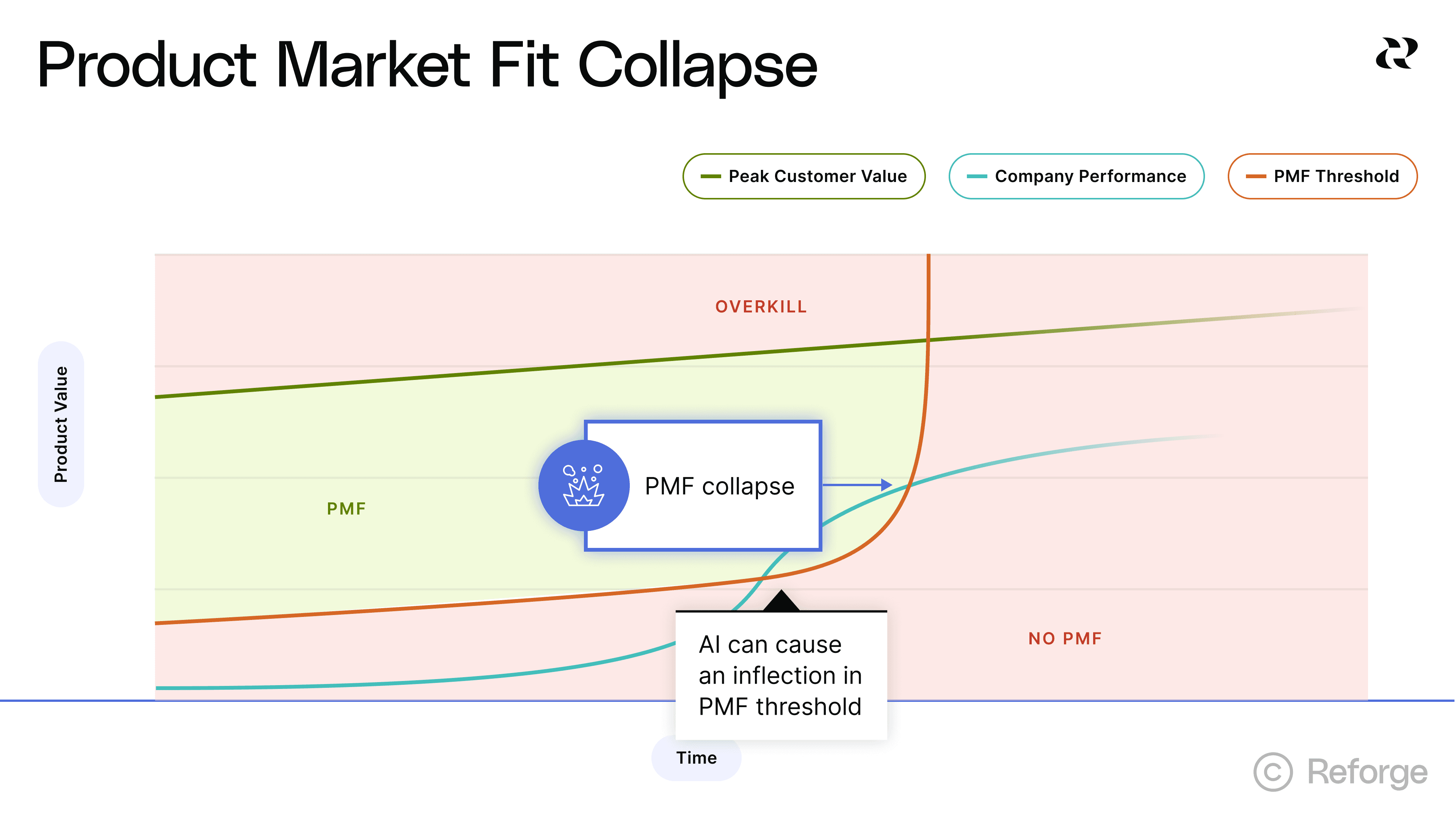
Given this, one of the most important things we can do is understand how our customer expectations are changing. This will vary depending on our use case and who our customer is, but there are a number of macro trends that I think will apply to many products.
7 Ways AI Is Changing Customer Expectations
The shift in customer expectations isn't just about what AI can do – it's about how it's fundamentally reshaping what customers consider normal and acceptable in their product experiences.
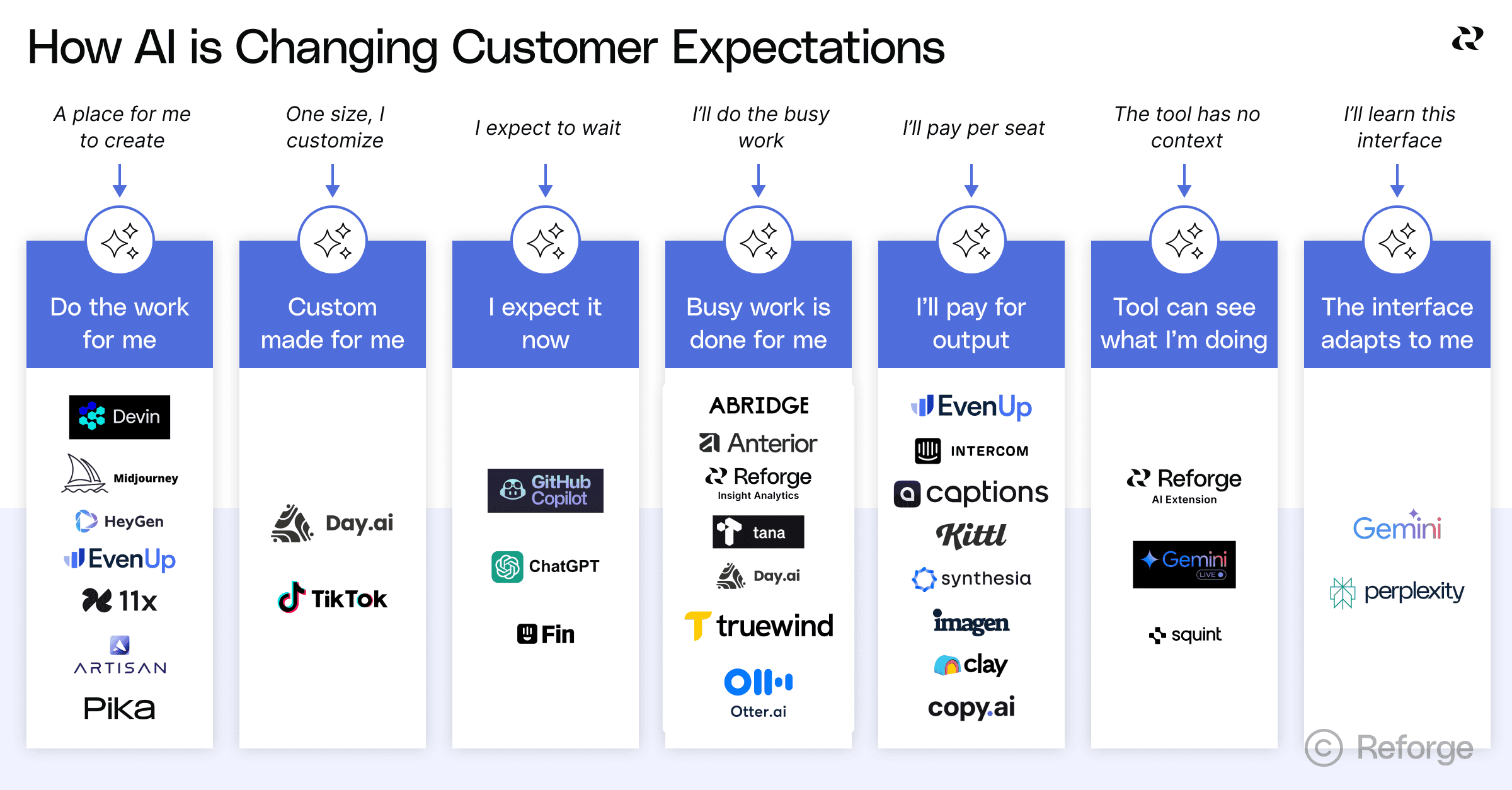
As AI capabilities become more mainstream, we're seeing several clear patterns emerge in how customer expectations are evolving. These changes aren't just incremental improvements on existing expectations, but rather fundamental shifts in how customers think about their relationship with products and services. 7 shifts we are seeing so far:
"A Place For Me To Create" → "Do The Work For Me"
"One Size, I Customize" → "Custom Made For Me"
"I Expect To Wait" → "I Expect It Now"
“I’ll do the busy work” → “The busy work is done for me”
“I’ll Pay Per Seat” → “I’ll Pay For Output”
“The tool has no context” → “The tool can see what I’m doing”
"I'll Learn This Interface" → "The Interface Adapts To Me"
“A Place For Me To Create” → “Do The Work For Me”
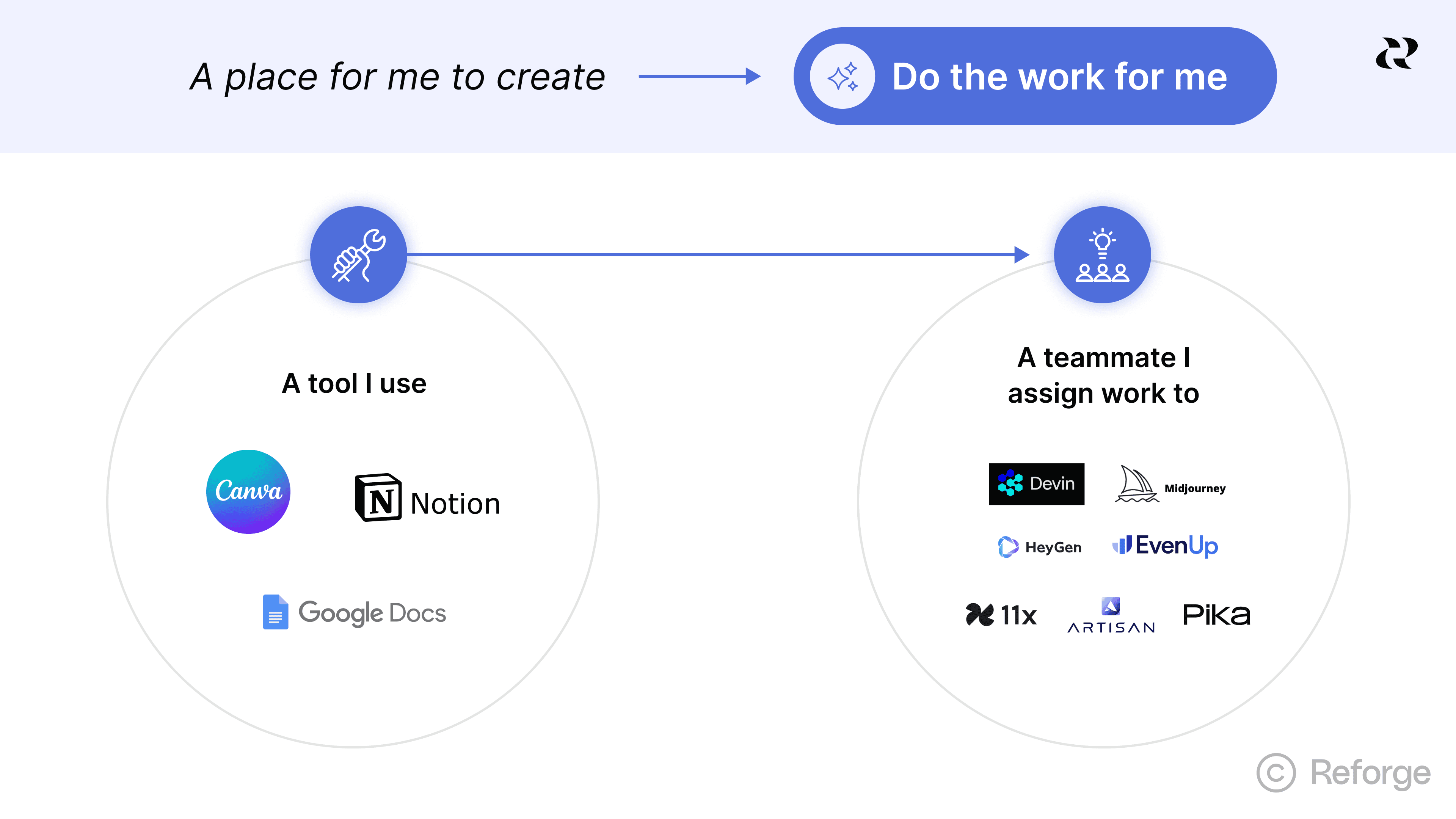
Many software products we use today are tools that enable us to create different content and experiences. Canva, Notion, Google Docs, Gmail, etc. But what if that work was just done for us? AI is changing customer expectations from “give me a tool where I can create” to “do the work for me.” In some cases, this turns AI products from a “tool I use” to a “teammate I assign work to.” They generate the first draft and then can offer inspiration, suggest enhancements, and co-create.
Example: EvenUp
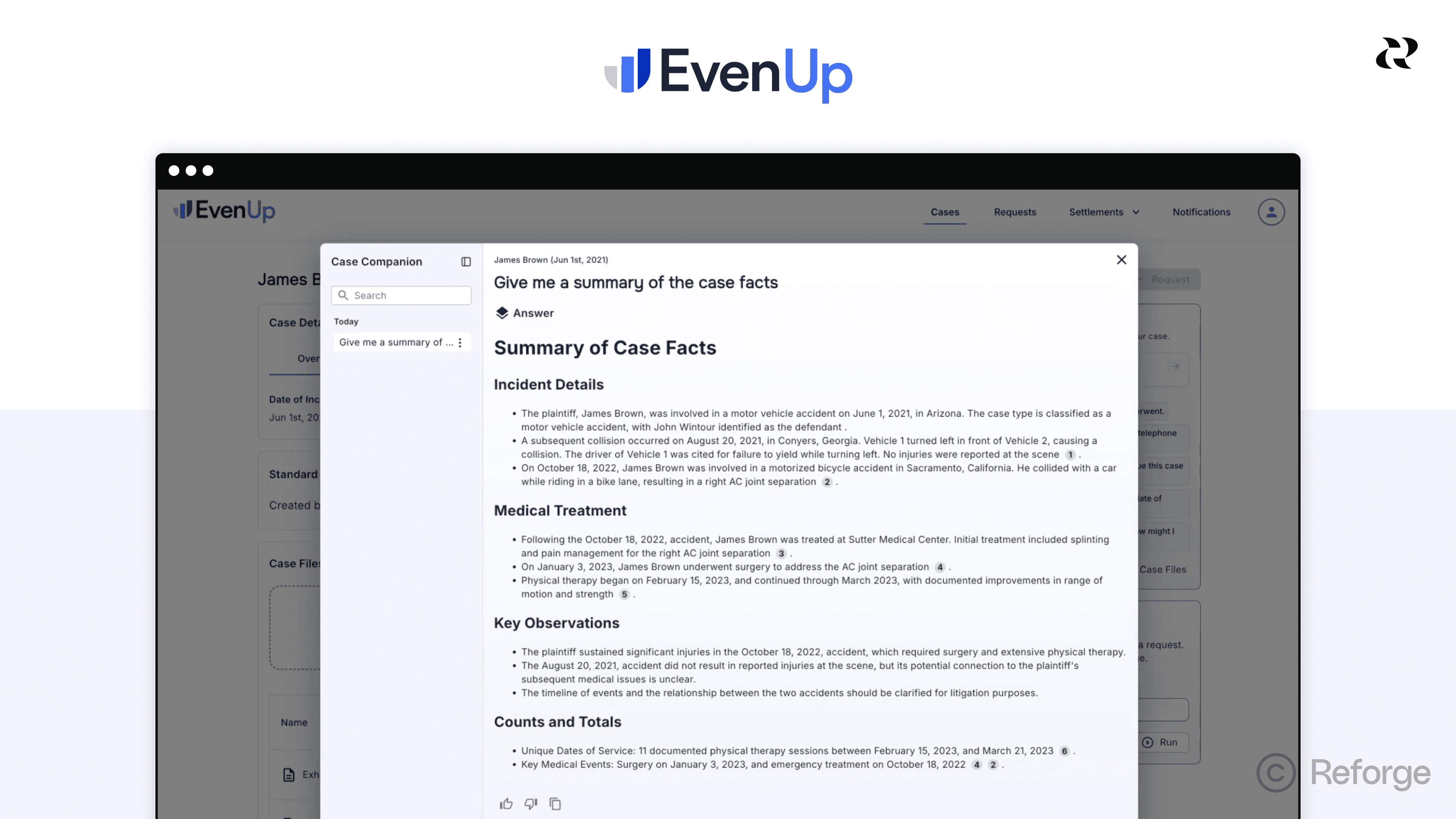
This is also taking place in spaces like legal. Pre-AI, lawyers could spend hundreds of hours researching previous cases and manually writing demand letters and other claims. EvenUp has entered the space and is able to auto generate drafts of demand letters and automate hundreds of hours of previous case analysis. This could enable:
A lawyer to take on more cases with out hiring more staff
Increase the revenue of the overall firm
Take on cases that wouldn’t otherwise make sense in a Pre-AI enabled world.
Example: Midjourney

Midjourney is a good example of this. Instead of manually creating and editing digital art in a tool like Photoshop, Midjourney was one of the first to enable image generation from a prompt. This enabled a few things:
People with photoshop skills to create things they couldn’t create in Photoshop.
People who didn’t have photoshop skills to create things equivalent to those that did.
Allow for people to explore exponentially more variations within the same amount of time.
**Example: **Devin
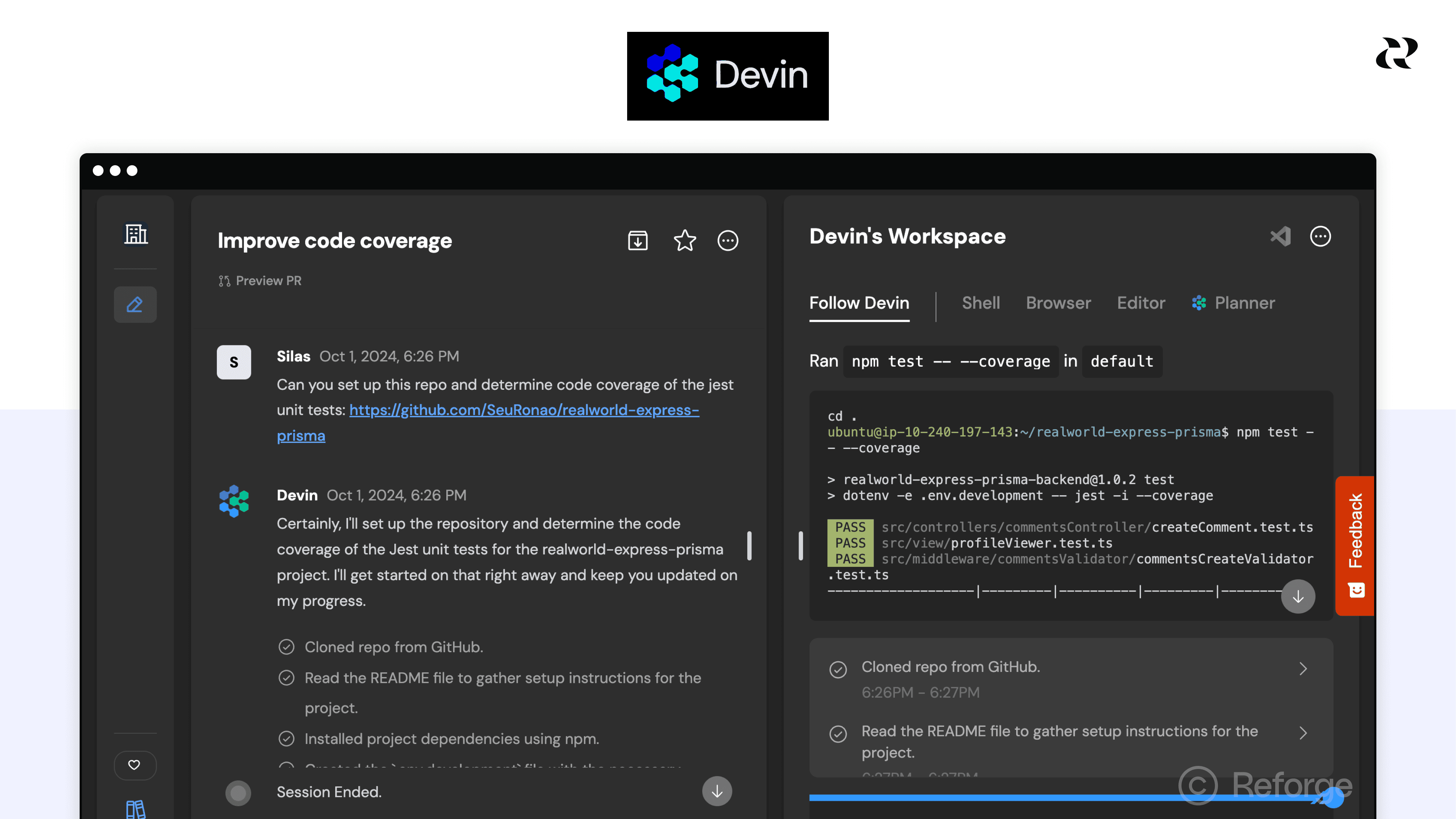
Devin is billed as your “AI Engineering Teammate.” Rather than creating another AI enabled IDE for developers, Devin is trying to be another developer on your team. It will handle writing code, debugging, testing and deployment. It will give you updates via Slack where you can give it feedback. Note: It’s accuracy and quality on tasks is highly variable at the time of this writing. This could enable:
Faster development cycles
More projects/tasks in parallel with each other
**Example: 11X or **Artisan AI
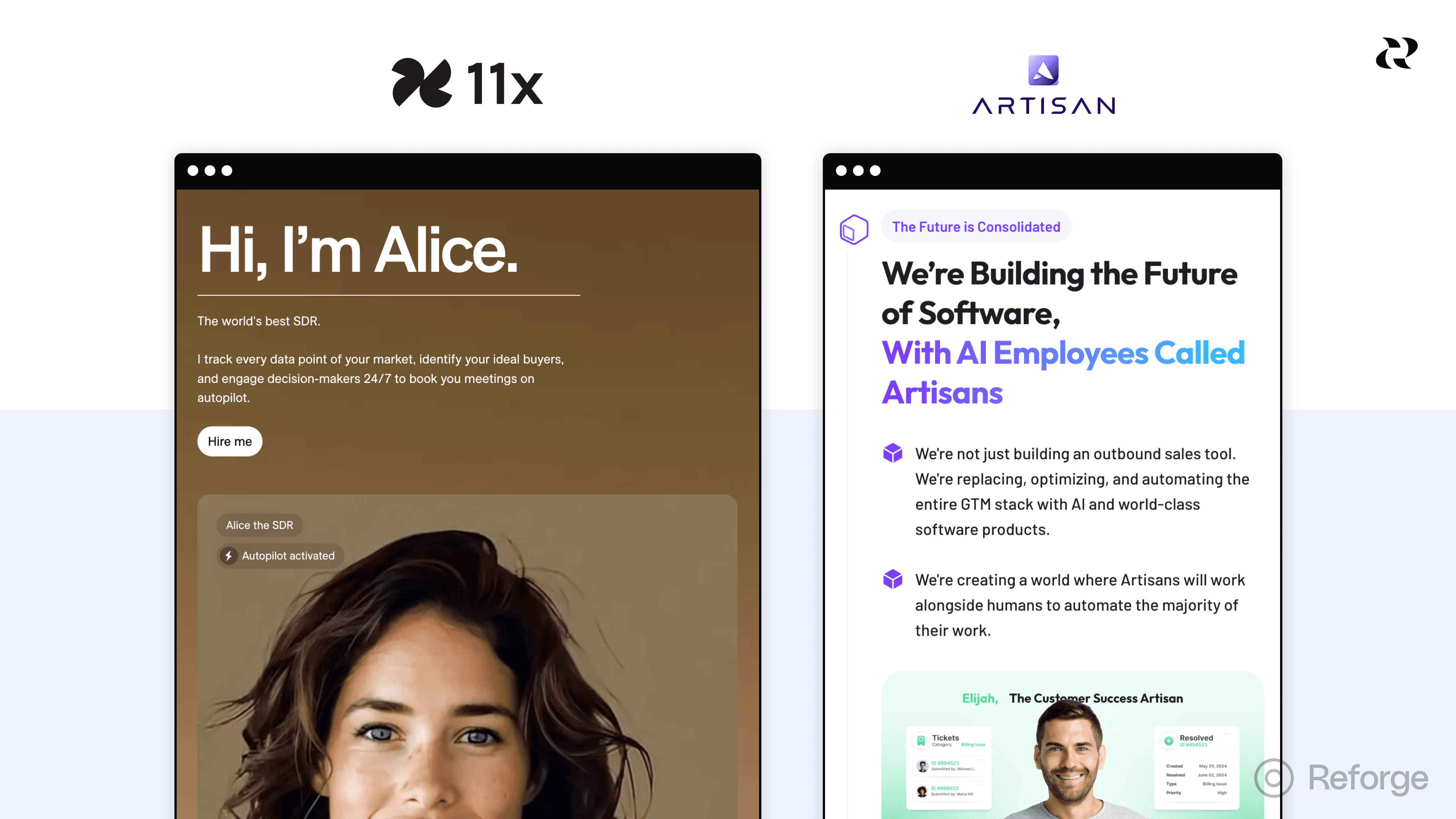
There is a world of “AI SDR” products emerging that run the entire prospecting flow for you. These products bill themselves as “AI Sales Employees.” This could enable:
More efficient GTM machines
Account Executives taking on both the BDR and AE role together
Personalization that wasn’t possible before
Other Examples: HeyGen, Pika
“One Size, I Customize” → “Custom Made For Me”
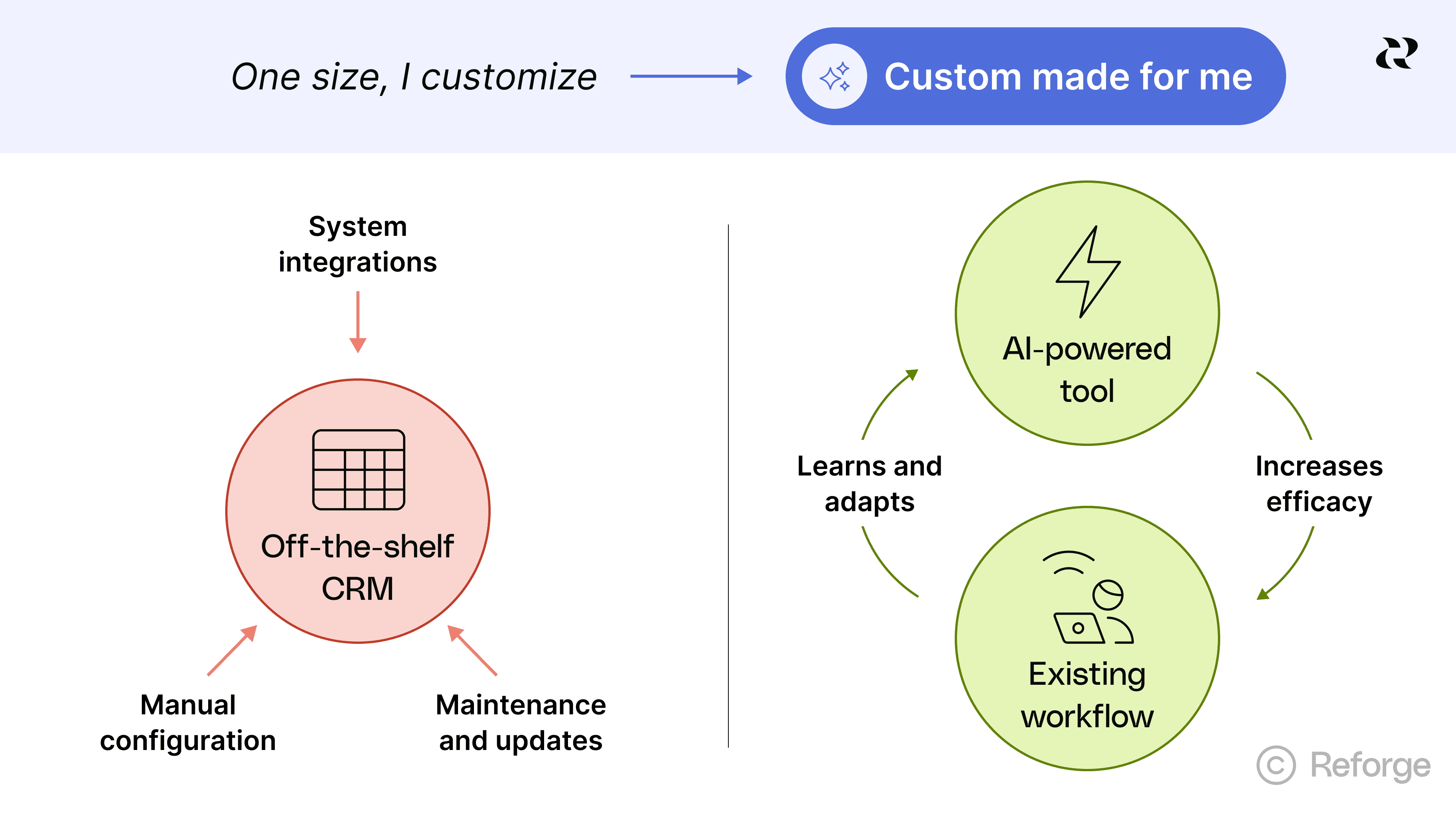
Many B2B products are made in a way that requires the customer to do heavy customization to their process, workflow, and data. Take the CRM category as an example. Setting up a CRM requires so much work that there is a multi-billion dollar per year services industry around systems integrators configuring Salesforce and other CRMs to meet your need. But what if that wasn’t required? AI is starting to change customer expectations from “I’ll need to do a lot of custom work to make the tool fit to my needs” to “As I adopt the product, it will adapt to my needs and way of working.
**Example: **Day.AI
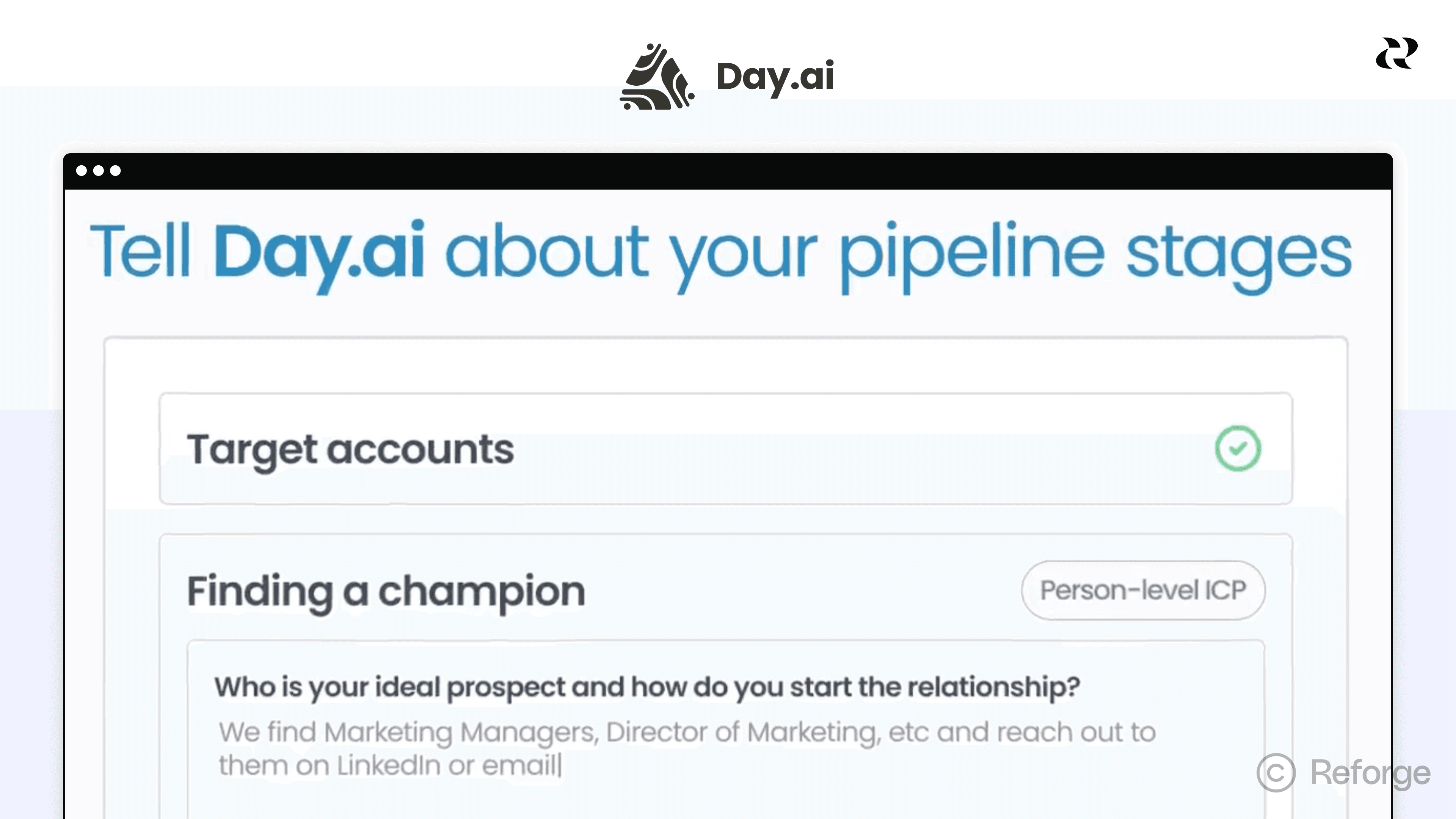
Using Gen AI a new CRM called Day.ai takes your email, calendar, and your answers to a one-page questionnaire to automatically generate a CRM that is tailored to your business. (Disclaimer, I’m an investor). This could enable:
Instant CRM setup without months of configuration and training
Automatic adaptation to different sales methodologies and industry verticals
Higher adoption rates in orgs due to lower friction in getting started
**Example: **TikTok
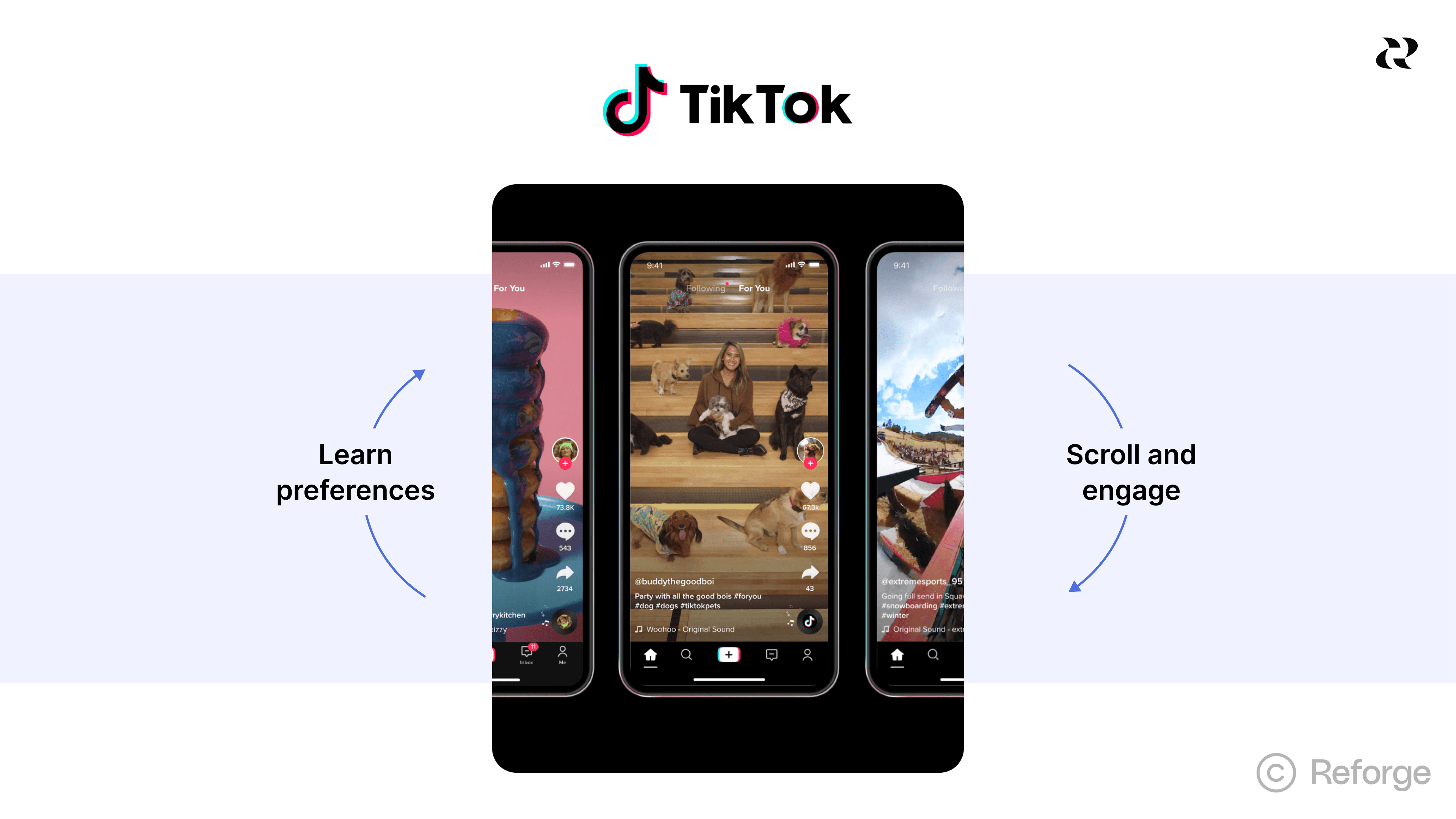
TikTok was one of the early players to use AI to create a disruptive experience. Prior to TikTok users expected to sign up to a new social product and customize the experience themselves by selecting topics, people to follow, etc. TikTok eliminated the need for this by just showing you videos and doing the customization for you based on what you engaged with. This enabled:
A new ecosystem of creators to emerge that didn’t otherwise have/need large followings
The product to feel personalized to a new user with out connecting to people, topics, etc
“I’ll do the busy work” → “The busy work is done for me”
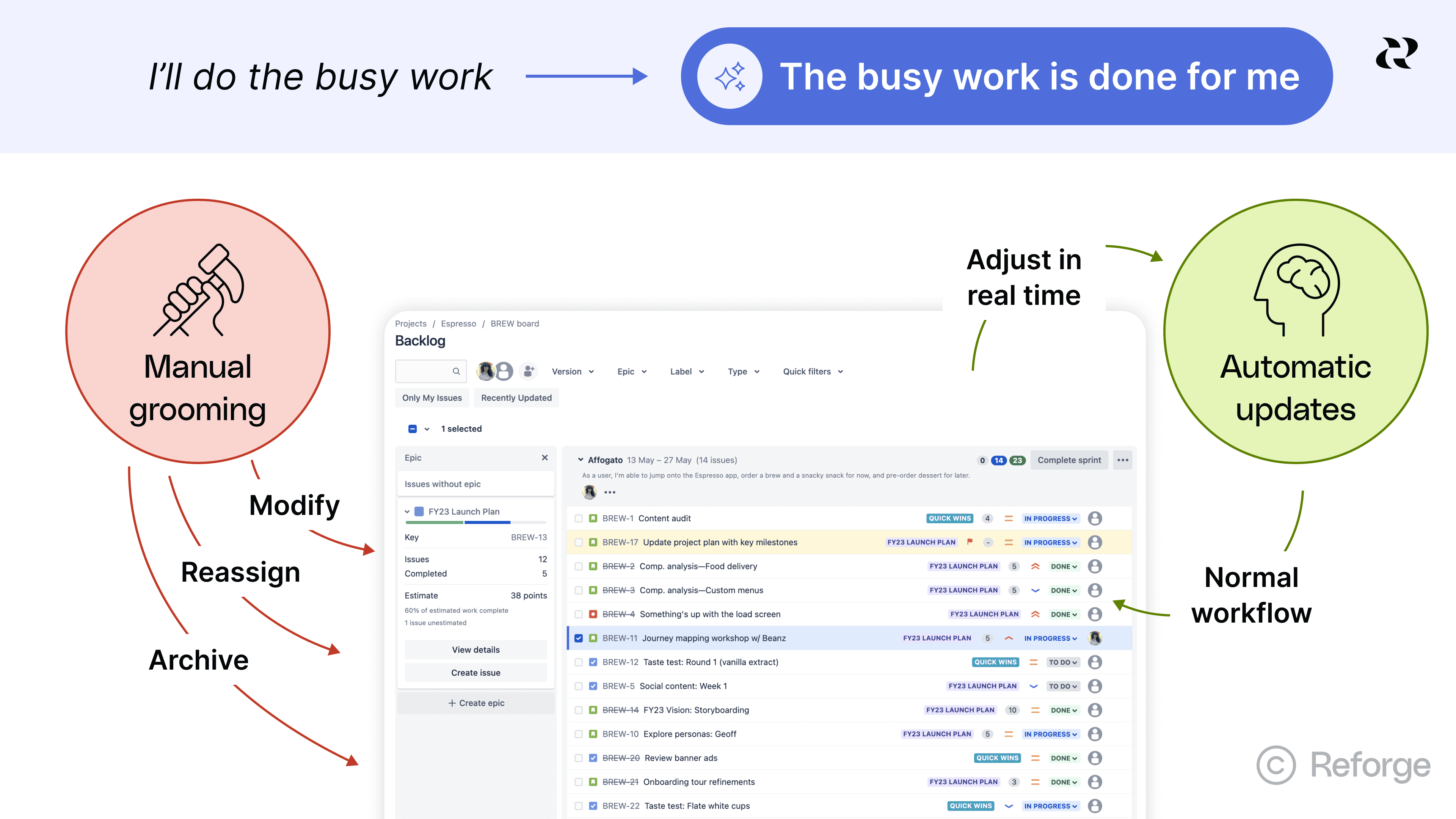
Many products require you to perform a lot of manual tasks in order for the team to get value out of it. As Michael Pici, co-founder of Day.ai notes in this LinkedIn post, most of the time the value you get out is less than the value you put in. As a product team the one that probably hits close to home is JIRA. The time required to create tasks, keep them up to date, and groom them over time. But what if these happened for you through your natural workflow? AI is changing customer expectations from “I’ll do the busy work” to “The busy work is done for me.”
**Example: Abridge or **Anterior
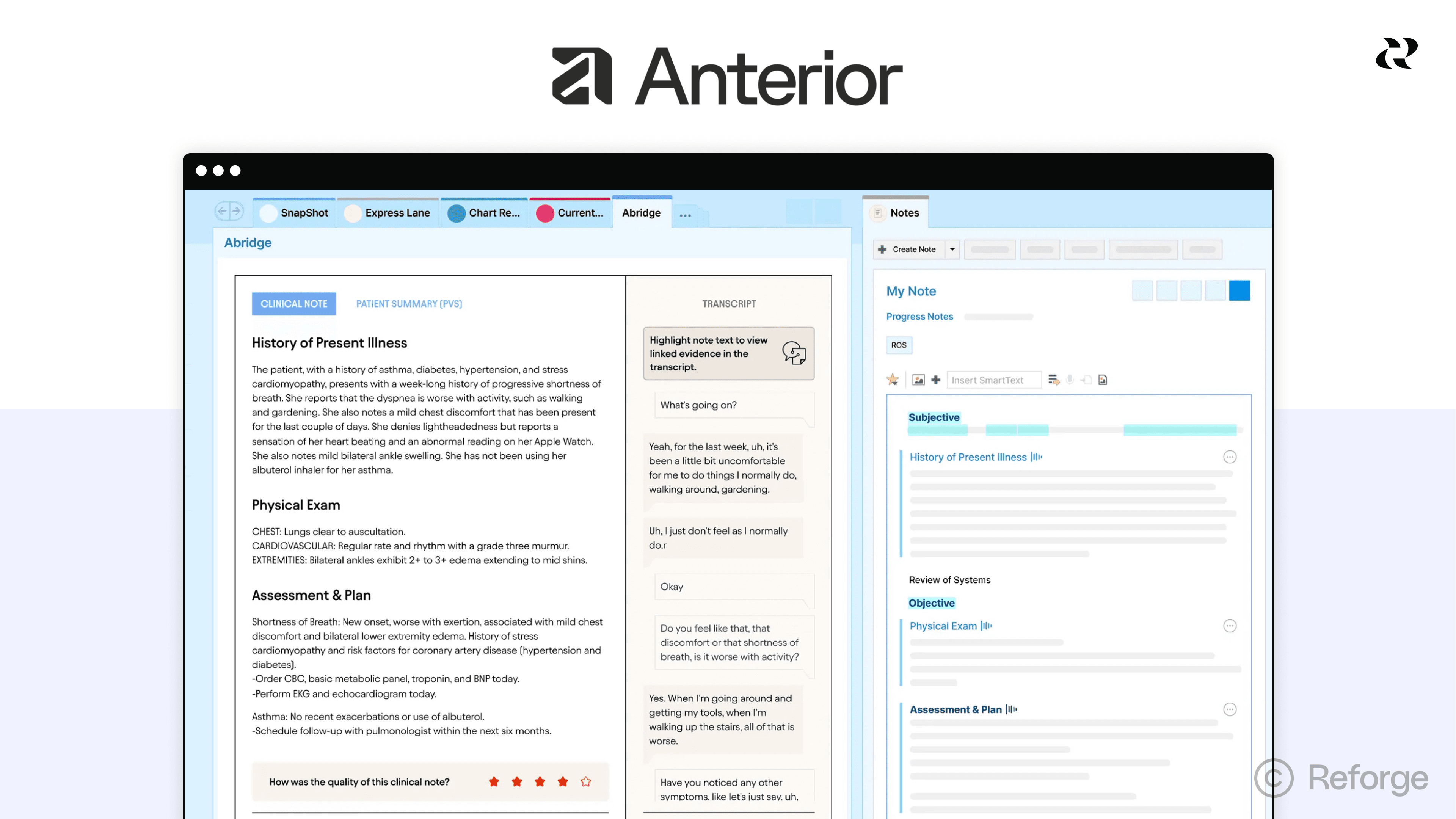
Doctors and clinicians would spend many hours of their day taking their patient conversations and manually entering clinical notes. Abridge changes this by automatically taking patient conversations and creating accurate structured notes. This is enabling:
Doctors and clinicians to spend more time with patients vs administrative work
Link the structured notes to evidence that supports the notes
Increased accuracy and decreased mistakes due to handwriting, etc
Ability to return and chat with transcripts of the conversations to go deeper
**Example: **Reforge Insight Analytics
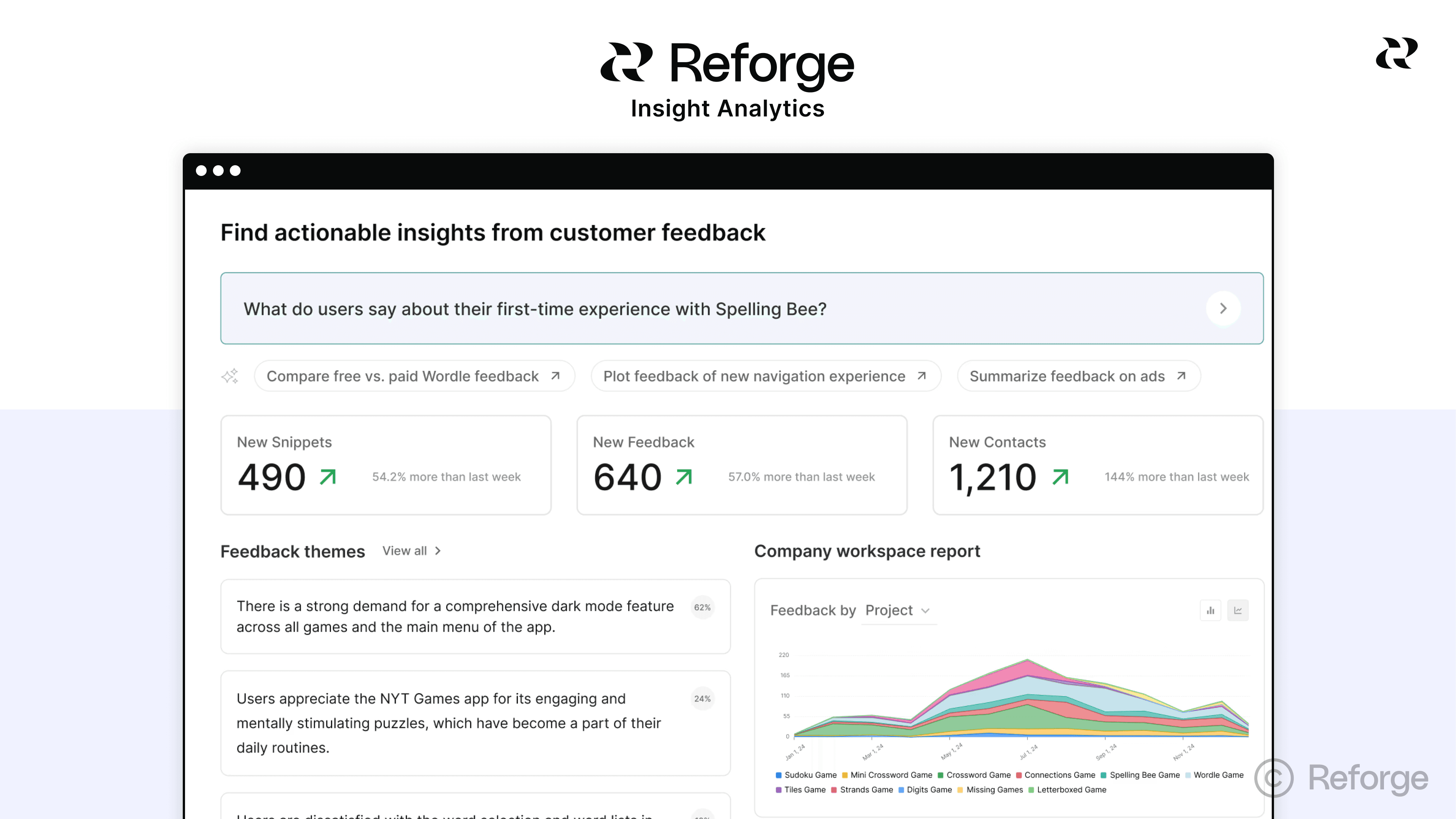
Insight Analytics solve The Feedback Fragmentation Tax. Most companies have customer feedback spread across tools and owners (sales, support, marketing, product, research, and more). Most teams try to manually bring this data together to synthesize, or don’t do it at all. Insight Analytics connects to these systems and uses AI to ingest the data, clean it, theme it across sources, connect it to quantitative data, and more. This is enabling:
A complete picture of what customers are saying vs a slice of the data
Analysis that was too hard/manual to do before
More people in the organization to have this feedback at their finger tips
**Example: **Tana
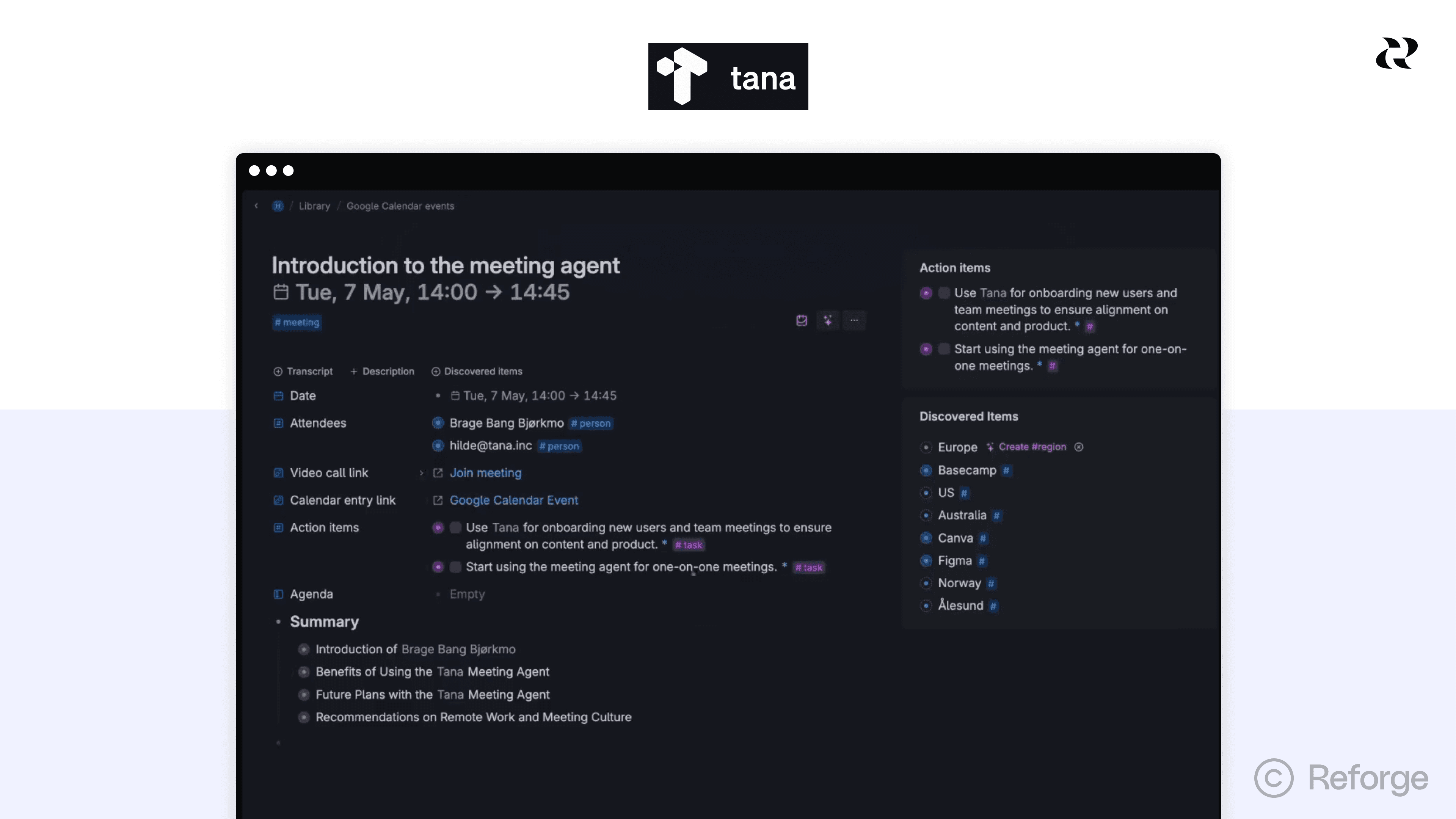
Tana is part meeting recorder / voice recorder and part Notion. It automatically turns your recordings/notes into Tasks, Projects, Agenda Items, etc attempting to decrease all the work in-between the real work.
**Example: **Day.AI
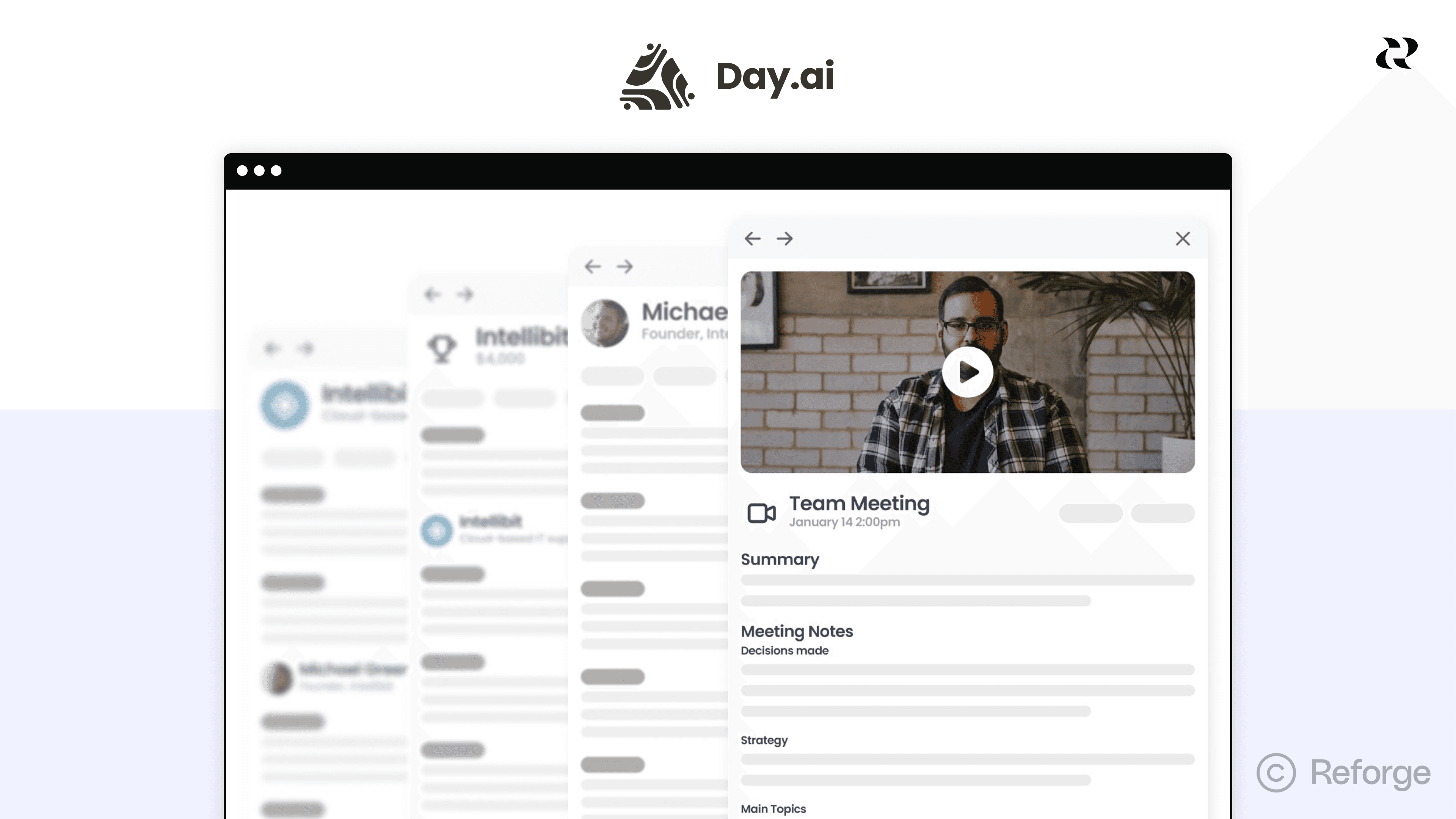
We can look at Day.AI again. Instead of manually updating all your records, it’s able to automatically keep them up to date by recording and analyzing your sales calls, plugging into your email/calendar, and more. This is enabling:
Sellers to spend more time with customers
Sellers to create more personalized experiences for customers
Ultimately win more deals and create a more efficient GTM
Other Examples: Truewind, Otter
“I’ll Pay Per Seat” → “I’ll Pay For Output”
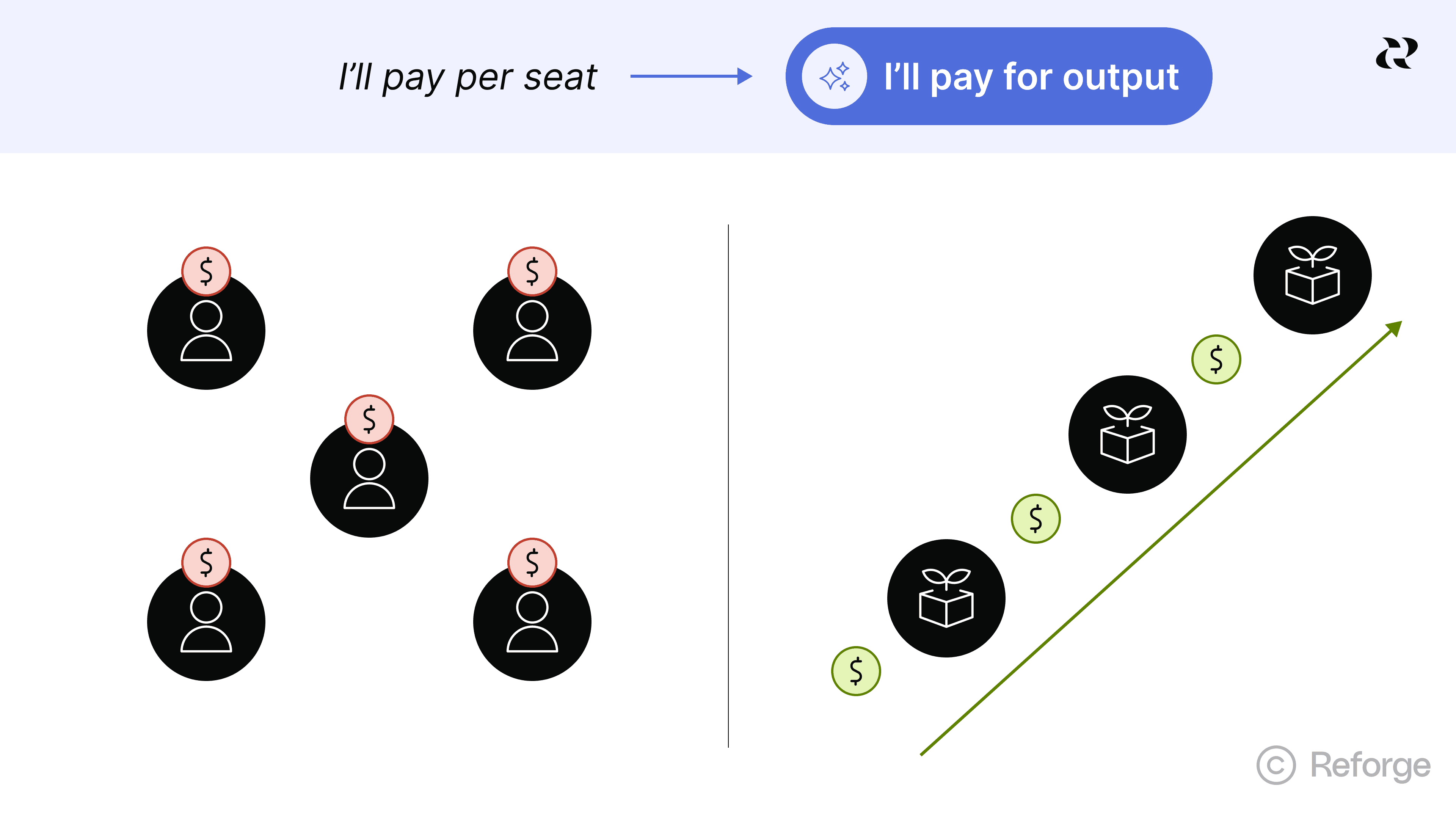
In the past 20 years, a lot of products consumer expect to pay per seat or per month. The customer does some rough calculation in their head if their use of the product is approximately of greater value than what they are paying for. The actual value is a step removed from the price. But what if you could pay for the actual value and outcome delivered? AI products are changing the customer expectation from “I’ll pay per seat and hope everyone is getting value” to “I’ll pay for when the tool completes a valuable task for me.”
**Example: **Synthesia
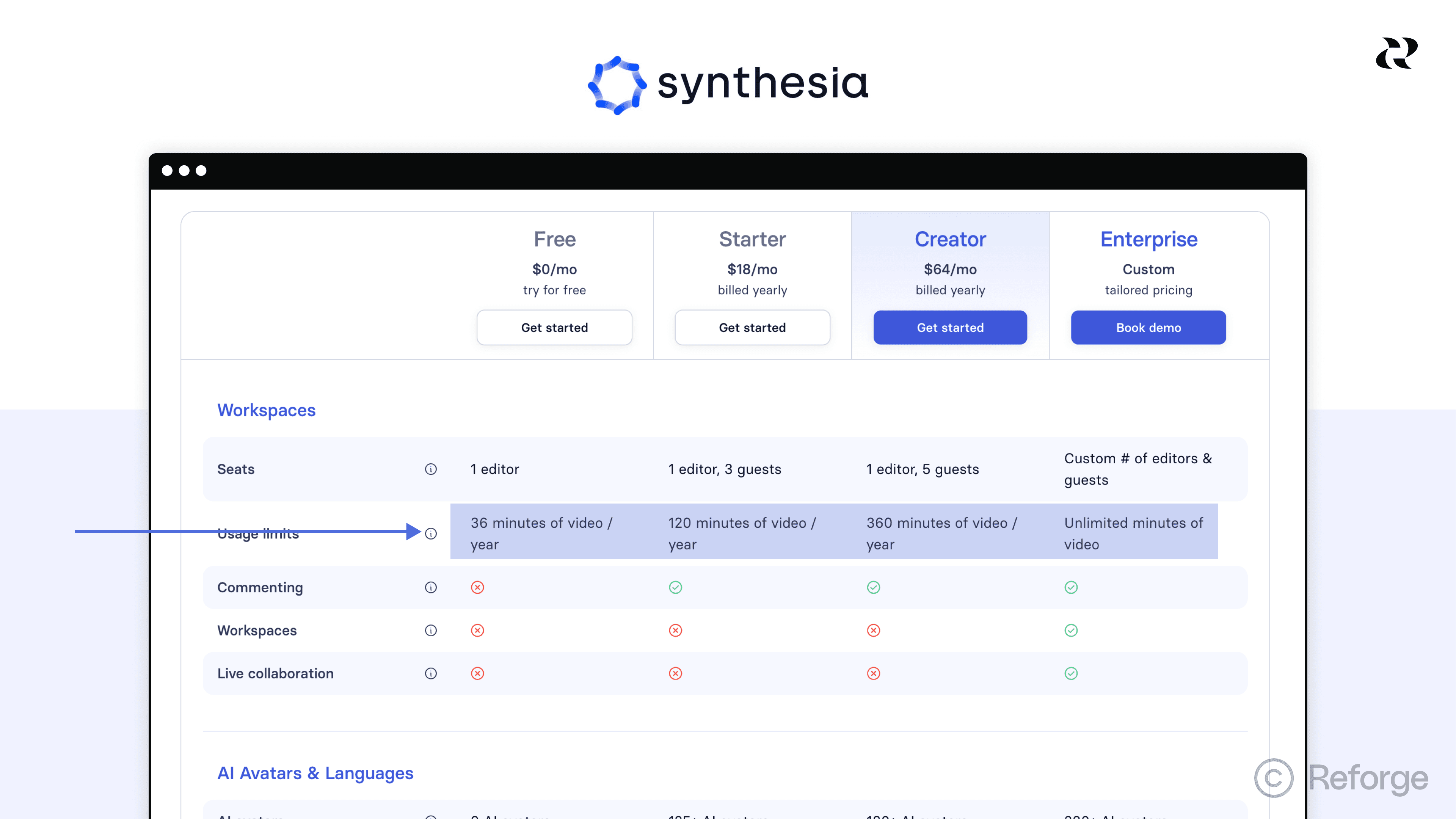
Synthesia raised at $2.1B valuation in 2024 in one of the hardest categories to grow a large business, ed tech. Synthesia is an AI video generation platform that allows users to create professional videos quickly and easily without requiring cameras, actors, or complex editing skills. The platform enables users to transform text into video content featuring AI-generated avatars. Instead of charging per seat, they charge per minute of AI generated video.
**Example: **EvenUp
Going back to our EvenUp example, instead of paying some monthly/annual fee based on the number of lawyers, they charge per demand package generated by the tool. This aligns much more closely with how the lawyers charge and make money from their clients.
Example: Intercom
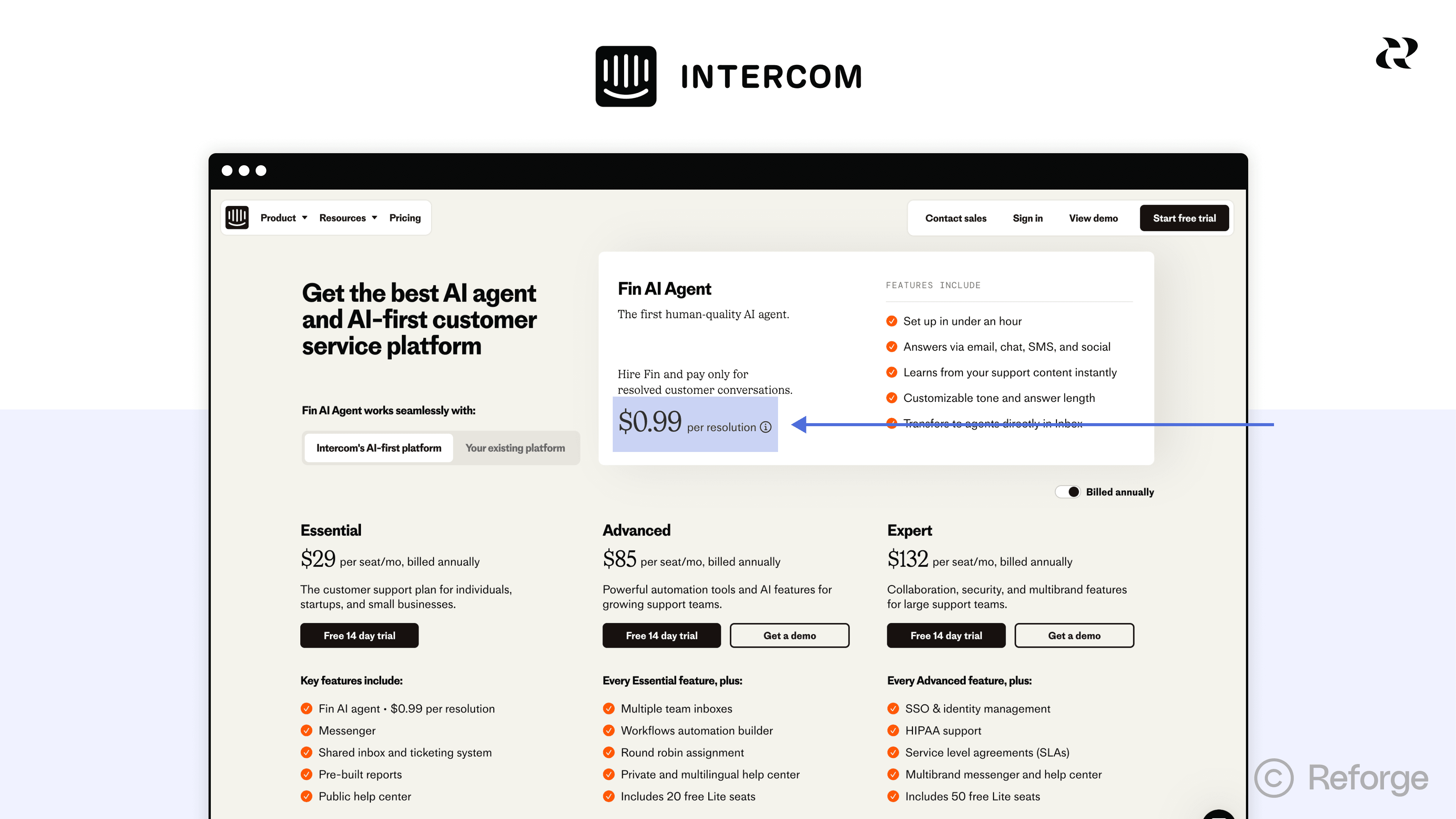
Intercom, the popular customer support tool, has changed their pricing from a per seat model to a price per AI resolution of a customer request. This aligns more closely with the value that a company gets from using the tool.
**Others Examples: Imagen, Clay, Copy.ai, **Kittl
“I’ll Wait” → “I Expect It Now”
AI is also changing the expectation from customers at how fast and convenient you deliver the value. In other words, users are getting “lazier.” (like we weren’t lazy enough already!)
Example: GitHub CoPilot
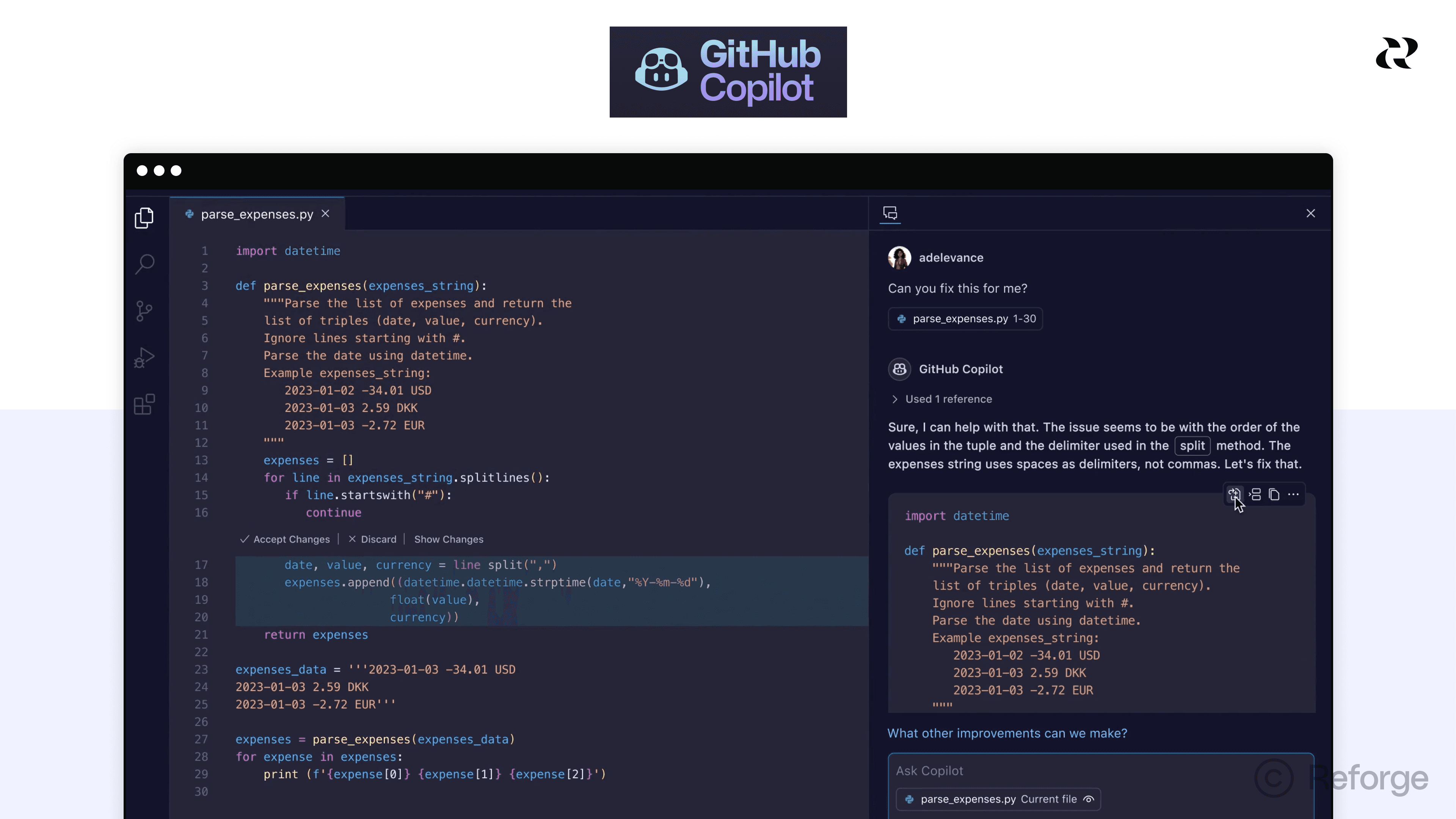
Prior to GitHub CoPilot, software engineers might spend an hour or more searching for code solutions on a product like Stack Overflow, implementing in their code, testing and debugging. Or they’ll ask a question, and wait for a response. But with tools like GitHub CoPilot that all now happens in minutes directly in their coding environment.
**Example: **Intercom Fin
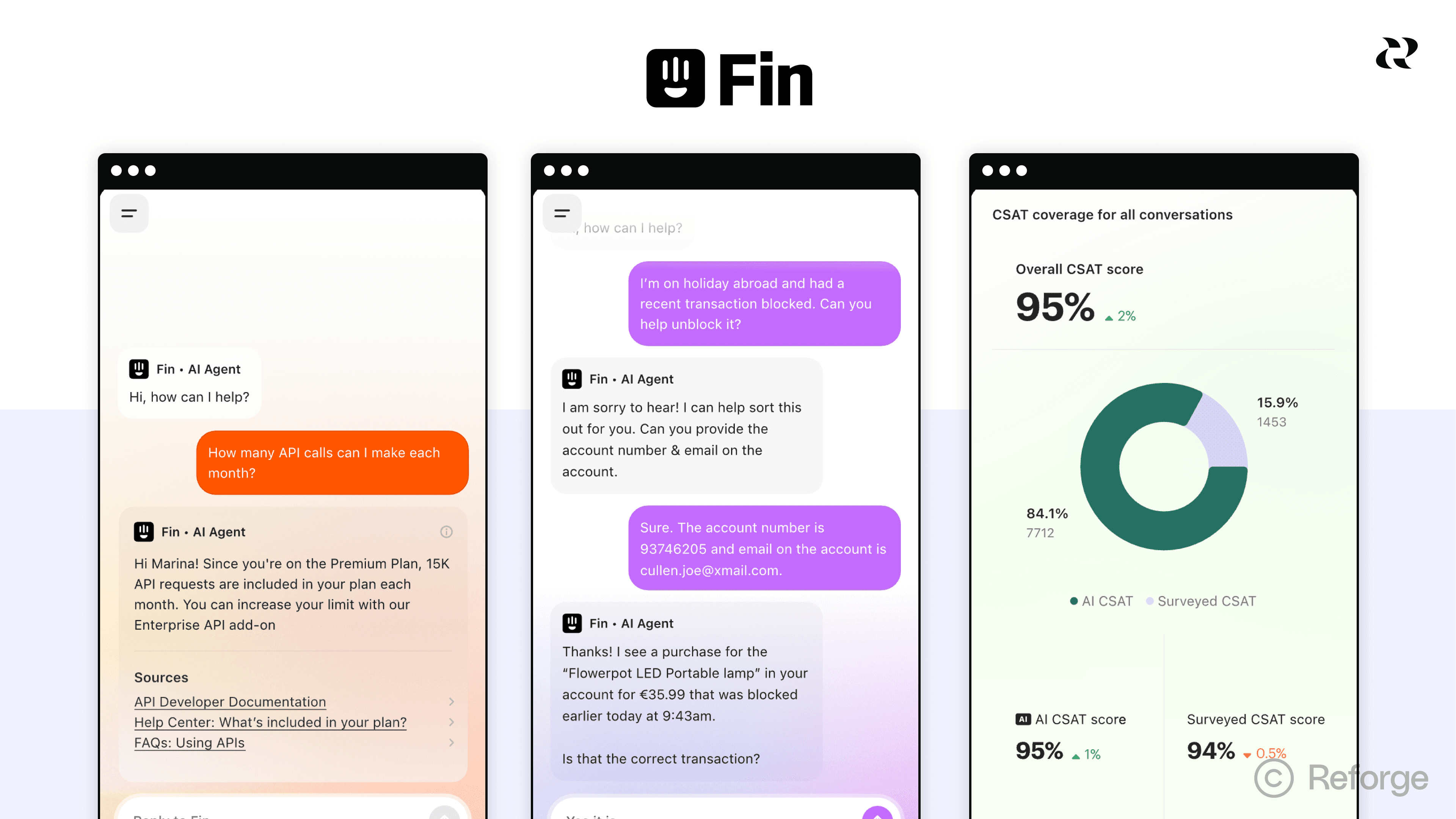
Prior to Fin by Intercom, customers might expect to wait for a few minutes for someone to respond to a chat support. With Fin, they get instant personalized answers that are resolving upwards of 70% of requests with out a human.
“I’ll Learn This Workflow” → “The Interface Adapts To Me”
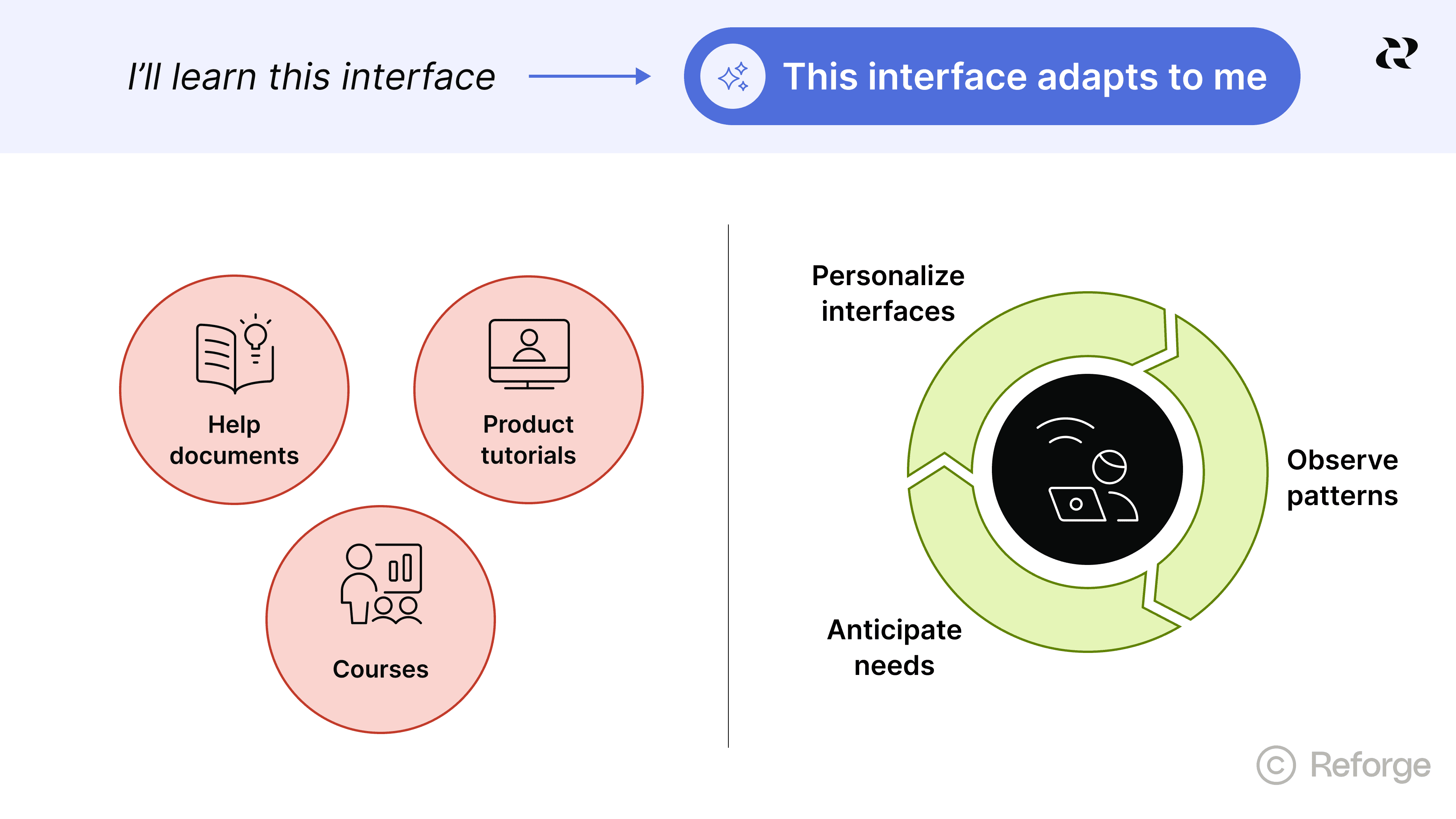
Software products today are built with rigid menu structures, form inputs, and static workflows. This means that every time a user adopts a new product they need to learn all of those patterns in order to get value from the tool.
But what if the user experience could dynamically change to fit the need of the user? Rather than taking courses or reading help docs, users may want AI-driven products that observe their need and personalize interfaces automatically. We are starting to see examples of this emerge:
Example: Google Gemini
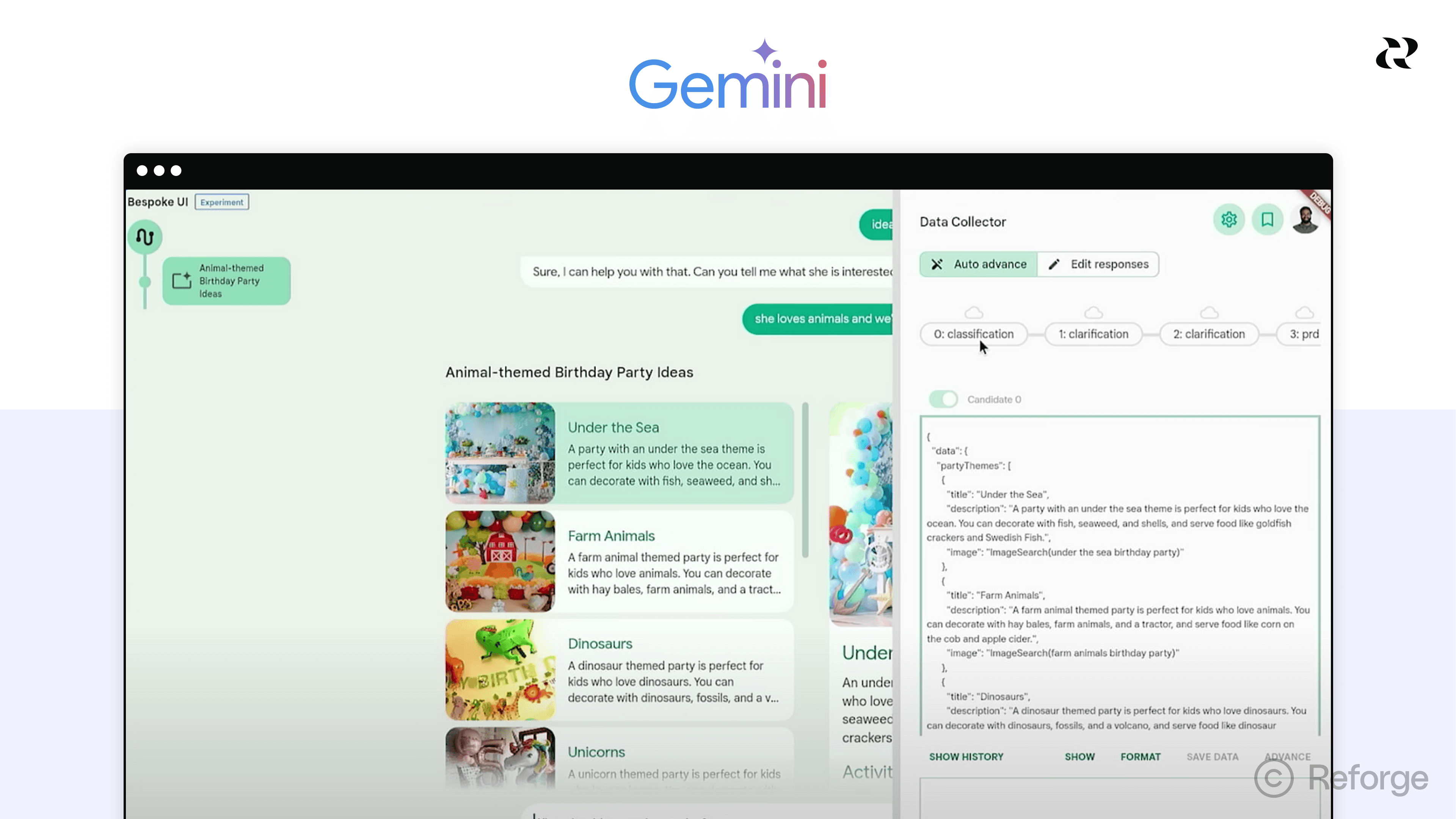
Googles AI model creates custom interactive interfaces based on the user requests and conversations. For example, when asked about outdoor activities for someone interested in animals, Gemini generated a tailored interface with visual information and interactivity.
Example: Perplexity
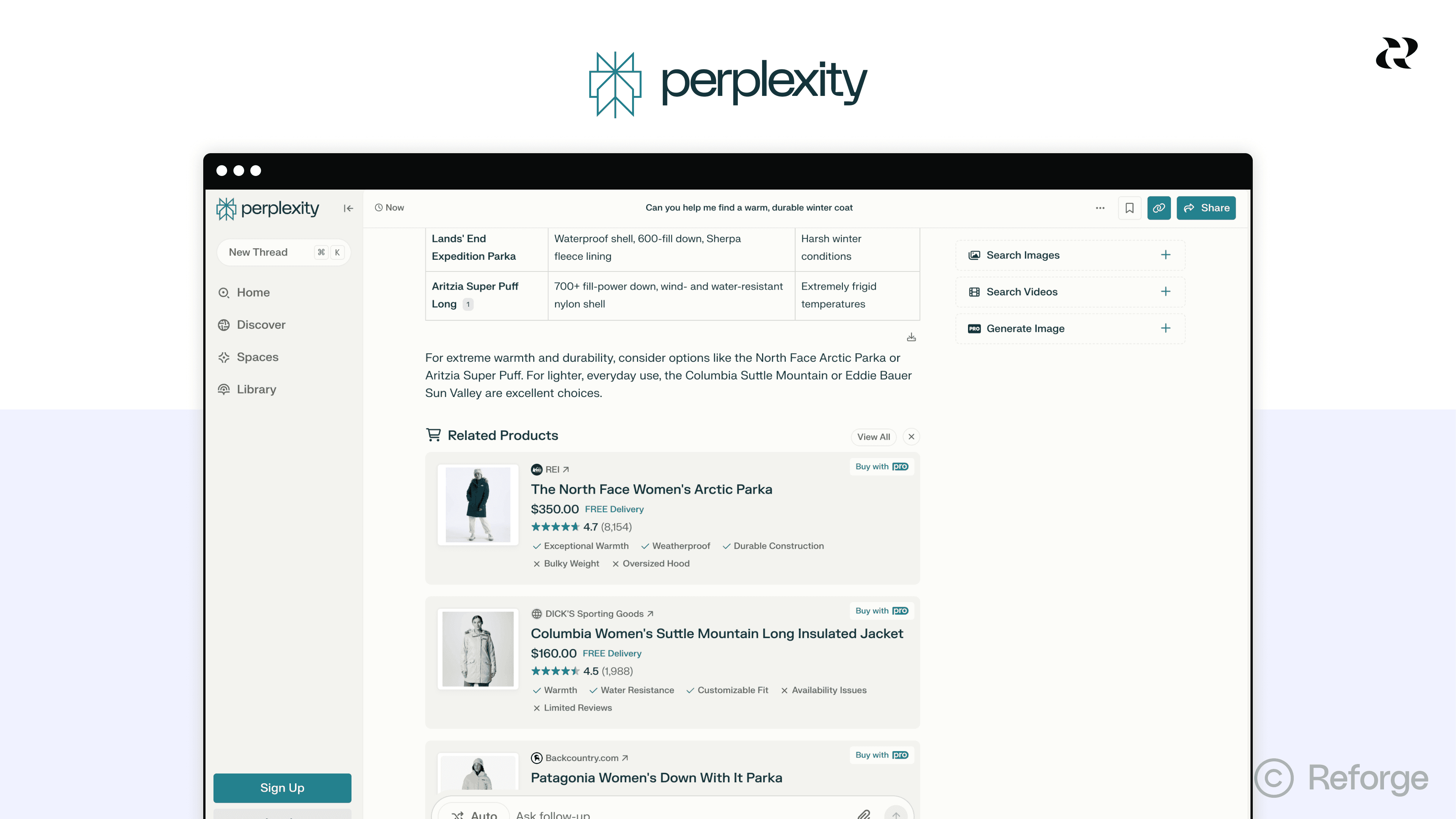
Perplexity has started to dynamically generate the user experience based on the user query. An example is Perplexity creates a custom shopping interface for product and shopping related user queries.
“The tool has no context” → “The tool can see what I’m doing”
AI enables software to adapt its features and content based on a user’s current context. Imagine the AI assistant that knows what you are doing and have done on your computer regardless of the app you are in.
**Example: **Reforge AI Extension
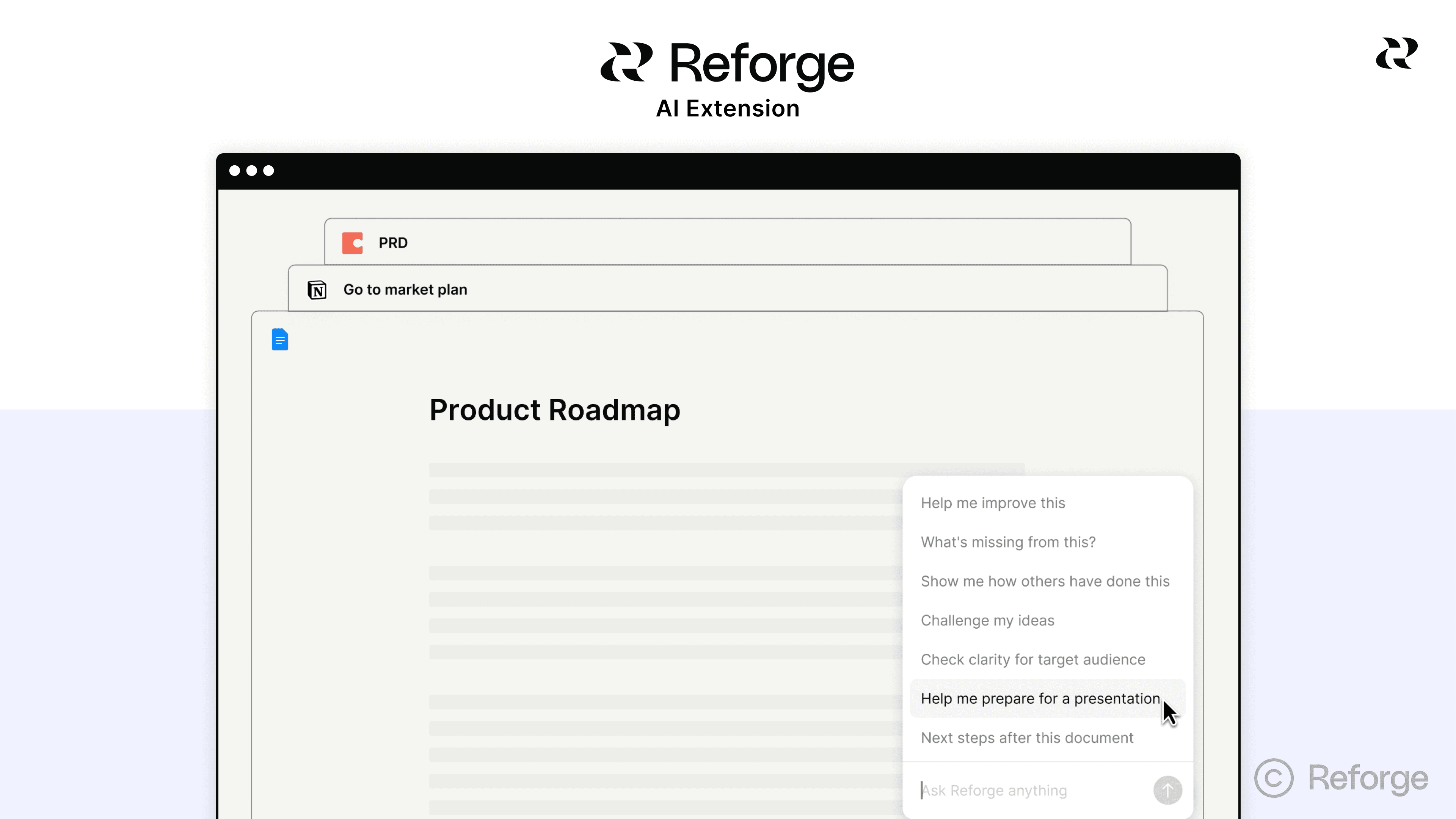
The Reforge Extension helps supercharge your work. As you work in Notion, Google Docs, JIRA, or other tools it is aware of what you are working on. For example, a PRD on Engagement Reporting, a GTM plan for a new feature, etc. It can provide suggestions and help you complete tasks based on that work.
Example: Gemini Live
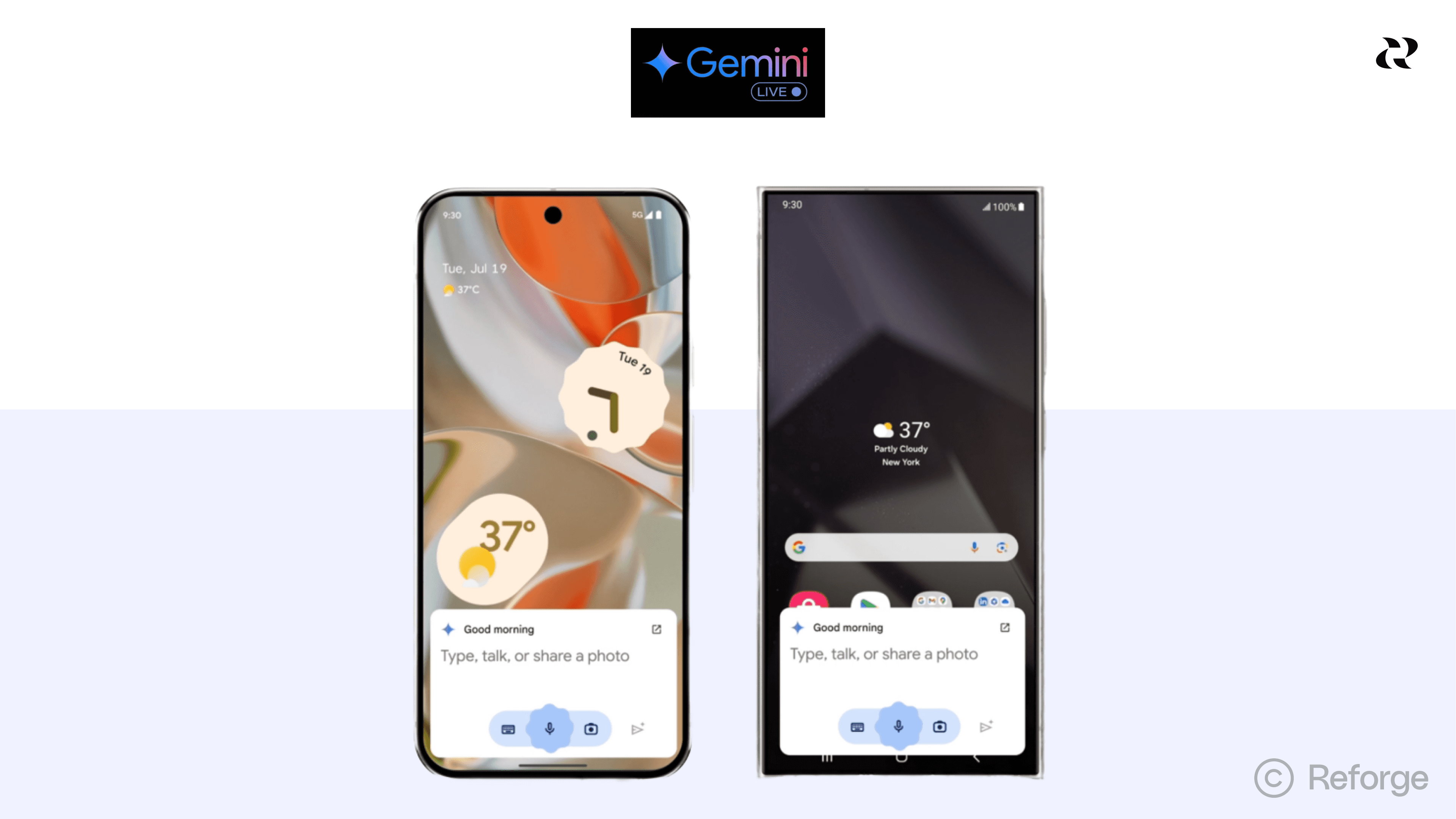
Gemini Live is a model that can see and interact with your screen. There are a lot of use cases such as providing assistance in learning a product or a live education tutor that can see you working through a problem and intervene when needed.
**Example: **Squint
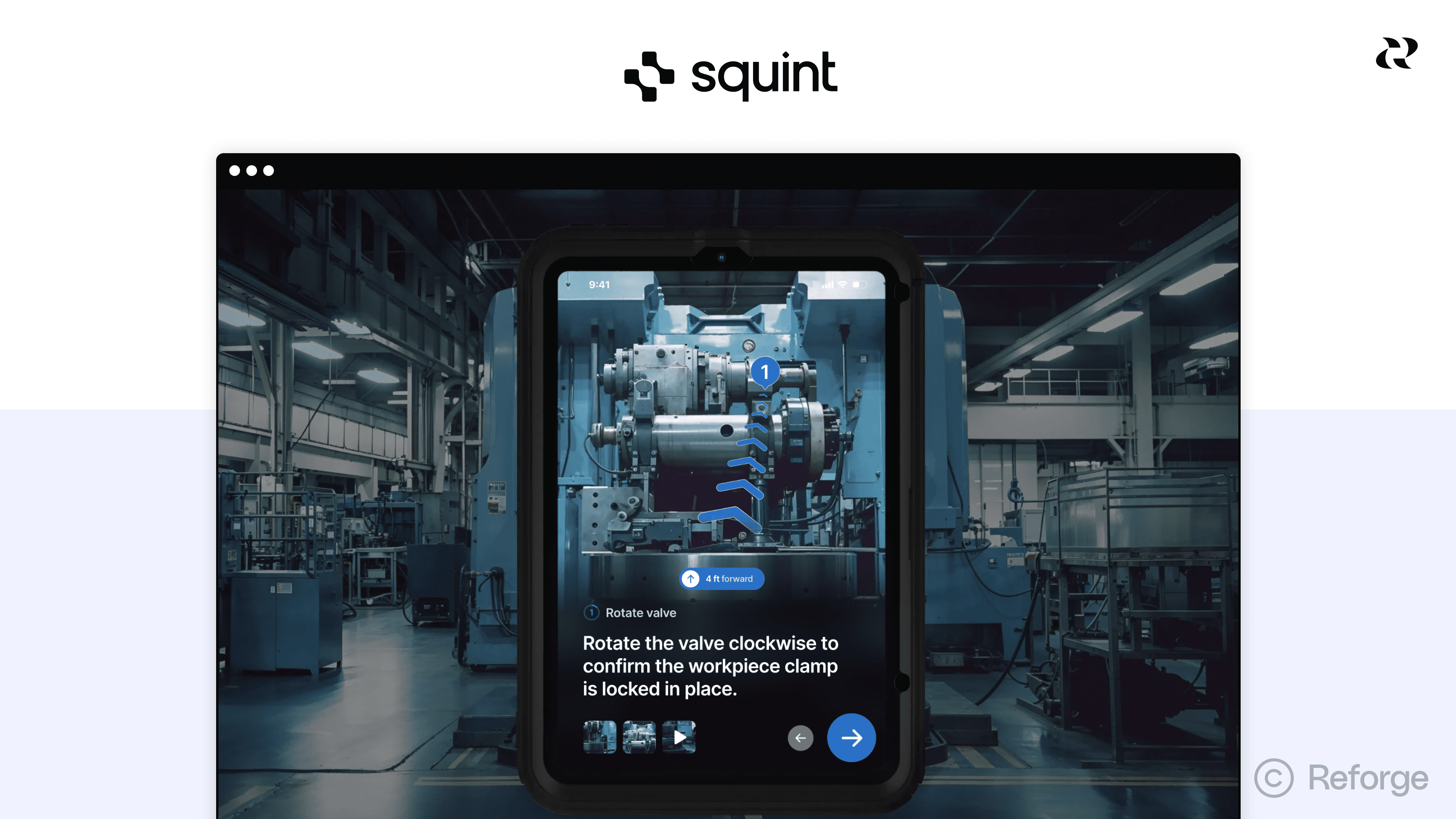
Squint is helping manufacturing workers capture knowledge, standardize work instructions, and get on the job help. The difference, it uses cameras and AR to understand what you are working on and deliver live help.
Evolving and Adapting
These seven shifts in customer expectations represent both a challenge and an opportunity for product teams. While the pace of change may feel overwhelming, the path forward is clear: focus less on predicting AI's long term future capabilities and more on understanding how it's reshaping what your customers expect. Not all of these shifts will apply to every product. Understanding which ones are most important to your use cases will be the first step. A few recommendations:
Mastering Customer Feedback by Behzod Sirjani
Behzod has worked with Facebook, Slack, Figma, and other product teams on developing customer feedback systems. In this course, Behzod dives deep on mastering this skill.
AI Foundations by Brian Balfour
Every PM role is becoming an AI role, whether you're ready or not. Our BUILD framework gives you the deep product-focused AI fundamentals to build the next 10 years of your career.
AI Strategy by Ravi Mehta
Today's AI landscape isn't just evolving - it's becoming strategically brutal. Market dynamics that took years to shift now transform in months. Learn to fundamentally rethink how you compete and win in the most intense strategic environment product leaders have ever faced.


There's endless speculation about AI's future capabilities. That creates noise and paralysis for product teams that need to be building today. The real signal product teams need to pay attention to is how their customer expectations are changing right now. What customers consider normal and acceptable in their product experiences is evolving. Here are 7 ways those they are changing.
Navigating The AI Quicksand
I’m a huge believer in AI. As I wrote in AI Native Product Teams, I believe AI is changing how product teams will think, work, and build together. We have new constraints and possibilities around the products we can create and how we grow them.
It’s why we’ve dedicated Reforge to helping product professionals through this shift. I see it as an opportunity to amplify the ambitions of the best product builders.
But with this huge shift has come the inevitable noise:
Grandiose predictions about AI
Claims that aren't real (or leaving out a lot of detail), like promises of perfect accuracy or complete automation without human oversight
Misunderstandings about what AI can actually do versus what's still science fiction
Marketing hype that confuses basic automation with true AI capabilities
So when it gets to building products in this era of shifting to AI, it can easily create some problems. Many people think they need to predict the future of what AI is capable of in order to build. The problems with this are:
No one can perfectly predict AI’s capabilities. Even the researchers themselves on the frontier are being continually surprised by what the technology can do.
Trying to predict far-future capabilities often leads to paralysis in current product development
Companies risk overbuilding speculative features while missing immediate opportunities
Current customer needs and pain points get overlooked in favor of futuristic scenarios
Trying to predict what AI might be able to do multiple years from now might be a fun exercise, but for most of us on the ground building products right now we need to stay grounded.
Staying grounded is hard when it feels like everything is changing. As Fareed Mosavat said in a recent episode of Unsolicited Feedback:
My takeaway from this conversation is a lot of stuff feels like quicksand right now. Things that look like solid things you can count on look like quicksand. Product market fit for very stable long-term products is just collapsing. Channels are becoming less stable and less predictable. We didn't even talk about business model changes.
There are a lot of aspects of building a company even at late stages that makes them significantly less stable and more uncertain. And I think many will emerge even more successful, but it is an interesting time.
So, how do we navigate the quicksand? How do we develop a winning AI strategy? One way is to understand how AI is changing customer expectations, and which ones create new possibilities for your specific use cases.
Customer Expectations and PMF Collapse
As I wrote in Product Market Fit Collapse: The AI Tipping Point:
Product Market Fit is a key milestone to reach, but it’s often misinterpreted as being a static moment in time. The reality is that your customer base is always changing and consumer expectations are always growing. Once you get initial product market fit, you not only have to keep it but also expand it. This is explained by The Product Market Fit Treadmill created by Casey Winters and Fareed Mosavat in the Reforge Product Strategy Course.
The key about this concept is that technology shifts accelerate the rate of change of customer expectations. Specifically, with the AI shift we are seeing them change so fast it can cause something we named Product Market Fit Collapse:
With AI when a use case works adoption is happening much faster. Powerful AI tools are readily available at minimal or no cost, and users can incorporate them into their workflows immediately. At a minimum, AI is causing the slope of PMF Threshold to be much steeper than previous technology shifts, and when a use case really hits the PMF threshold “spikes.”
Customer expectations aren’t rising at a predictable, linear pace over longer periods of time—they are spiking exponentially. Suddenly, “good enough” solutions look obsolete when users realize they can receive more efficient, hyper-personalized, and near-instant responses from AI-driven platforms. This creates Product Market Fit Collapse.
Given this, one of the most important things we can do is understand how our customer expectations are changing. This will vary depending on our use case and who our customer is, but there are a number of macro trends that I think will apply to many products.
7 Ways AI Is Changing Customer Expectations
The shift in customer expectations isn't just about what AI can do – it's about how it's fundamentally reshaping what customers consider normal and acceptable in their product experiences.
As AI capabilities become more mainstream, we're seeing several clear patterns emerge in how customer expectations are evolving. These changes aren't just incremental improvements on existing expectations, but rather fundamental shifts in how customers think about their relationship with products and services. 7 shifts we are seeing so far:
"A Place For Me To Create" → "Do The Work For Me"
"One Size, I Customize" → "Custom Made For Me"
"I Expect To Wait" → "I Expect It Now"
“I’ll do the busy work” → “The busy work is done for me”
“I’ll Pay Per Seat” → “I’ll Pay For Output”
“The tool has no context” → “The tool can see what I’m doing”
"I'll Learn This Interface" → "The Interface Adapts To Me"
“A Place For Me To Create” → “Do The Work For Me”
Many software products we use today are tools that enable us to create different content and experiences. Canva, Notion, Google Docs, Gmail, etc. But what if that work was just done for us? AI is changing customer expectations from “give me a tool where I can create” to “do the work for me.” In some cases, this turns AI products from a “tool I use” to a “teammate I assign work to.” They generate the first draft and then can offer inspiration, suggest enhancements, and co-create.
Example: EvenUp
This is also taking place in spaces like legal. Pre-AI, lawyers could spend hundreds of hours researching previous cases and manually writing demand letters and other claims. EvenUp has entered the space and is able to auto generate drafts of demand letters and automate hundreds of hours of previous case analysis. This could enable:
A lawyer to take on more cases with out hiring more staff
Increase the revenue of the overall firm
Take on cases that wouldn’t otherwise make sense in a Pre-AI enabled world.
Example: Midjourney
Midjourney is a good example of this. Instead of manually creating and editing digital art in a tool like Photoshop, Midjourney was one of the first to enable image generation from a prompt. This enabled a few things:
People with photoshop skills to create things they couldn’t create in Photoshop.
People who didn’t have photoshop skills to create things equivalent to those that did.
Allow for people to explore exponentially more variations within the same amount of time.
**Example: **Devin
Devin is billed as your “AI Engineering Teammate.” Rather than creating another AI enabled IDE for developers, Devin is trying to be another developer on your team. It will handle writing code, debugging, testing and deployment. It will give you updates via Slack where you can give it feedback. Note: It’s accuracy and quality on tasks is highly variable at the time of this writing. This could enable:
Faster development cycles
More projects/tasks in parallel with each other
**Example: 11X or **Artisan AI
There is a world of “AI SDR” products emerging that run the entire prospecting flow for you. These products bill themselves as “AI Sales Employees.” This could enable:
More efficient GTM machines
Account Executives taking on both the BDR and AE role together
Personalization that wasn’t possible before
Other Examples: HeyGen, Pika
“One Size, I Customize” → “Custom Made For Me”
Many B2B products are made in a way that requires the customer to do heavy customization to their process, workflow, and data. Take the CRM category as an example. Setting up a CRM requires so much work that there is a multi-billion dollar per year services industry around systems integrators configuring Salesforce and other CRMs to meet your need. But what if that wasn’t required? AI is starting to change customer expectations from “I’ll need to do a lot of custom work to make the tool fit to my needs” to “As I adopt the product, it will adapt to my needs and way of working.
**Example: **Day.AI
Using Gen AI a new CRM called Day.ai takes your email, calendar, and your answers to a one-page questionnaire to automatically generate a CRM that is tailored to your business. (Disclaimer, I’m an investor). This could enable:
Instant CRM setup without months of configuration and training
Automatic adaptation to different sales methodologies and industry verticals
Higher adoption rates in orgs due to lower friction in getting started
**Example: **TikTok
TikTok was one of the early players to use AI to create a disruptive experience. Prior to TikTok users expected to sign up to a new social product and customize the experience themselves by selecting topics, people to follow, etc. TikTok eliminated the need for this by just showing you videos and doing the customization for you based on what you engaged with. This enabled:
A new ecosystem of creators to emerge that didn’t otherwise have/need large followings
The product to feel personalized to a new user with out connecting to people, topics, etc
“I’ll do the busy work” → “The busy work is done for me”
Many products require you to perform a lot of manual tasks in order for the team to get value out of it. As Michael Pici, co-founder of Day.ai notes in this LinkedIn post, most of the time the value you get out is less than the value you put in. As a product team the one that probably hits close to home is JIRA. The time required to create tasks, keep them up to date, and groom them over time. But what if these happened for you through your natural workflow? AI is changing customer expectations from “I’ll do the busy work” to “The busy work is done for me.”
**Example: Abridge or **Anterior
Doctors and clinicians would spend many hours of their day taking their patient conversations and manually entering clinical notes. Abridge changes this by automatically taking patient conversations and creating accurate structured notes. This is enabling:
Doctors and clinicians to spend more time with patients vs administrative work
Link the structured notes to evidence that supports the notes
Increased accuracy and decreased mistakes due to handwriting, etc
Ability to return and chat with transcripts of the conversations to go deeper
**Example: **Reforge Insight Analytics
Insight Analytics solve The Feedback Fragmentation Tax. Most companies have customer feedback spread across tools and owners (sales, support, marketing, product, research, and more). Most teams try to manually bring this data together to synthesize, or don’t do it at all. Insight Analytics connects to these systems and uses AI to ingest the data, clean it, theme it across sources, connect it to quantitative data, and more. This is enabling:
A complete picture of what customers are saying vs a slice of the data
Analysis that was too hard/manual to do before
More people in the organization to have this feedback at their finger tips
**Example: **Tana
Tana is part meeting recorder / voice recorder and part Notion. It automatically turns your recordings/notes into Tasks, Projects, Agenda Items, etc attempting to decrease all the work in-between the real work.
**Example: **Day.AI
We can look at Day.AI again. Instead of manually updating all your records, it’s able to automatically keep them up to date by recording and analyzing your sales calls, plugging into your email/calendar, and more. This is enabling:
Sellers to spend more time with customers
Sellers to create more personalized experiences for customers
Ultimately win more deals and create a more efficient GTM
Other Examples: Truewind, Otter
“I’ll Pay Per Seat” → “I’ll Pay For Output”
In the past 20 years, a lot of products consumer expect to pay per seat or per month. The customer does some rough calculation in their head if their use of the product is approximately of greater value than what they are paying for. The actual value is a step removed from the price. But what if you could pay for the actual value and outcome delivered? AI products are changing the customer expectation from “I’ll pay per seat and hope everyone is getting value” to “I’ll pay for when the tool completes a valuable task for me.”
**Example: **Synthesia
Synthesia raised at $2.1B valuation in 2024 in one of the hardest categories to grow a large business, ed tech. Synthesia is an AI video generation platform that allows users to create professional videos quickly and easily without requiring cameras, actors, or complex editing skills. The platform enables users to transform text into video content featuring AI-generated avatars. Instead of charging per seat, they charge per minute of AI generated video.
**Example: **EvenUp
Going back to our EvenUp example, instead of paying some monthly/annual fee based on the number of lawyers, they charge per demand package generated by the tool. This aligns much more closely with how the lawyers charge and make money from their clients.
Example: Intercom
Intercom, the popular customer support tool, has changed their pricing from a per seat model to a price per AI resolution of a customer request. This aligns more closely with the value that a company gets from using the tool.
**Others Examples: Imagen, Clay, Copy.ai, **Kittl
“I’ll Wait” → “I Expect It Now”
AI is also changing the expectation from customers at how fast and convenient you deliver the value. In other words, users are getting “lazier.” (like we weren’t lazy enough already!)
Example: GitHub CoPilot
Prior to GitHub CoPilot, software engineers might spend an hour or more searching for code solutions on a product like Stack Overflow, implementing in their code, testing and debugging. Or they’ll ask a question, and wait for a response. But with tools like GitHub CoPilot that all now happens in minutes directly in their coding environment.
**Example: **Intercom Fin
Prior to Fin by Intercom, customers might expect to wait for a few minutes for someone to respond to a chat support. With Fin, they get instant personalized answers that are resolving upwards of 70% of requests with out a human.
“I’ll Learn This Workflow” → “The Interface Adapts To Me”
Software products today are built with rigid menu structures, form inputs, and static workflows. This means that every time a user adopts a new product they need to learn all of those patterns in order to get value from the tool.
But what if the user experience could dynamically change to fit the need of the user? Rather than taking courses or reading help docs, users may want AI-driven products that observe their need and personalize interfaces automatically. We are starting to see examples of this emerge:
Example: Google Gemini
Googles AI model creates custom interactive interfaces based on the user requests and conversations. For example, when asked about outdoor activities for someone interested in animals, Gemini generated a tailored interface with visual information and interactivity.
Example: Perplexity
Perplexity has started to dynamically generate the user experience based on the user query. An example is Perplexity creates a custom shopping interface for product and shopping related user queries.
“The tool has no context” → “The tool can see what I’m doing”
AI enables software to adapt its features and content based on a user’s current context. Imagine the AI assistant that knows what you are doing and have done on your computer regardless of the app you are in.
**Example: **Reforge AI Extension
The Reforge Extension helps supercharge your work. As you work in Notion, Google Docs, JIRA, or other tools it is aware of what you are working on. For example, a PRD on Engagement Reporting, a GTM plan for a new feature, etc. It can provide suggestions and help you complete tasks based on that work.
Example: Gemini Live
Gemini Live is a model that can see and interact with your screen. There are a lot of use cases such as providing assistance in learning a product or a live education tutor that can see you working through a problem and intervene when needed.
**Example: **Squint
Squint is helping manufacturing workers capture knowledge, standardize work instructions, and get on the job help. The difference, it uses cameras and AR to understand what you are working on and deliver live help.
Evolving and Adapting
These seven shifts in customer expectations represent both a challenge and an opportunity for product teams. While the pace of change may feel overwhelming, the path forward is clear: focus less on predicting AI's long term future capabilities and more on understanding how it's reshaping what your customers expect. Not all of these shifts will apply to every product. Understanding which ones are most important to your use cases will be the first step. A few recommendations:
Mastering Customer Feedback by Behzod Sirjani
Behzod has worked with Facebook, Slack, Figma, and other product teams on developing customer feedback systems. In this course, Behzod dives deep on mastering this skill.
AI Foundations by Brian Balfour
Every PM role is becoming an AI role, whether you're ready or not. Our BUILD framework gives you the deep product-focused AI fundamentals to build the next 10 years of your career.
AI Strategy by Ravi Mehta
Today's AI landscape isn't just evolving - it's becoming strategically brutal. Market dynamics that took years to shift now transform in months. Learn to fundamentally rethink how you compete and win in the most intense strategic environment product leaders have ever faced.