Reforge has joined Miro ↗
All articles
Product Requirements Document: What Is It & How To Write It [With 7 Templates]
May 7, 2024
Product Requirements Document: What Is It & How To Write It [With 7 Templates]
What Is a PRD & Why Is it Important?
A Product Requirements Document (PRD) is a blueprint that outlines all of the necessary features and specifications of a new product, including its value proposition, target audience, and benefits. Created by the product manager, this document helps facilitate communication with the product team and stakeholders.
The PRD starts with a vision of the product's goals, translated into milestones, features, and functionalities. It details how different users will interact with the product and provides insights into its visual representation. PRDs are crucial in both traditional methodologies like waterfall and agile environments, ensuring alignment across teams, facilitating clear communication, and serving as a roadmap for successful product development to meet objectives and deliver a great product. Key Components of a Product Requirements Document
A well-crafted PRD comprises several key components, each serving a specific purpose in elucidating the product's requirements and functionalities.
These components include:
Functional Requirements
Functional requirements specify what the product should do from a user's perspective, detailing features, functionalities, and interactions necessary to meet user needs and expectations. They provide a comprehensive breakdown of user stories, use cases, and scenarios, illustrating the actions users can perform and the expected outcomes. These requirements often include features like user authentication, data input forms, search functionality, checkout processes, and account management capabilities.
Non-functional Requirements
Non-functional requirements focus on the performance, reliability, security, and scalability aspects of the product. Unlike functional requirements, which address what the product does, non-functional requirements cover how the product performs.
These requirements outline the constraints and quality attributes the product must adhere to, such as response times, system availability, data encryption standards, and compliance regulations.
Non-functional requirements can include performance targets, security measures, scalability needs, and compliance standards (e.g., GDPR, HIPAA).
Wireframes and Mockups
Wireframes and mockups provide visual representations of an interface, illustrating the product design, layout, and flow. They give stakeholders a clear visualization of the end product and set design expectations.
These visual artifacts can include sketches, interactive prototypes, and diagrams showing various screens, user interactions, navigation paths, and visual elements. Wireframes and mockups facilitate communication between product managers, designers, and developers, enabling alignment on the visual and functional aspects of the product.
Metrics and Success Criteria
Metrics and success criteria define the key performance indicators (KPIs) and benchmarks that will be used to evaluate the product’s success. These metrics should align with the product's goals and objectives, and offer measurable outcomes that demonstrate the product's value to stakeholders.
Metrics and success criteria can include user engagement metrics (e.g. active users and retention rate), conversion rates, revenue targets, customer satisfaction scores, and other relevant KPIs.
What Is the Difference Between PRD and BRD?
The Product Requirements Document (PRD) and the Business Requirements Document (BRD) are both crucial documents in the product development process. However, they serve distinct purposes and focus on different aspects of the project.
PRD (Product Requirements Document)
The PRD primarily outlines the functionalities, features, and user interactions the product should have, providing a detailed blueprint for the development team. It includes detailed descriptions of personas, user stories, functional and non-functional requirements, wireframes, mockups, and success metrics, capturing the technical aspects like system behavior, data processing, and user interface design.
The primary audience for the PRD includes product managers, designers, developers, and any other member of the development team who are responsible for turning the product vision into reality.
BRD (Business Requirements Document)
In contrast, the BRD addresses the broader business needs and objectives driving the product's development. It outlines high-level goals, constraints, and success criteria the product should align with to fulfill objectives.
A BRD typically includes business goals, market analysis, competitive landscape, regulatory requirements, budget constraints, and stakeholder expectations. It gives context for why the product is being developed and what the expected outcomes will be.
The primary audience for the BRD includes business stakeholders, executives, investors, and other decision-makers who are concerned with the product's strategic alignment and financial viability.
While both documents are essential for the development process, they serve complementary roles, with the PRD focusing on the technical implementation of product features and the BRD providing strategic direction and alignment with business objectives. Together, these documents ensure the product meets user needs and contributes to the overall success of the organization.
Steps To Write a Product Requirements Document
Creating an effective Product Requirements Document (PRD) is a foundational step in any product development process.
Here's a detailed look at the steps involved in creating a PRD template.
1. Gather Requirements
The first phase is gathering requirements. This involves engaging with stakeholders through interviews, workshops, and surveys to understand user needs, business objectives, and technical constraints. By involving stakeholders from various departments, such as product management, engineering, design, and marketing, you ensure a comprehensive understanding of the project scope.
2. Define User Stories
Once requirements are gathered, the next step is translating them into user stories. User stories are concise descriptions of features from the perspective of end-users, following the format "As a [type of user], I want [some goal] so that [some reason]. "Breaking down requirements into user stories helps prioritize features based on their importance to end-users.
3. Document Functional and Non-functional Requirements
Functional requirements outline the specific behaviors or functions of the product, such as user interactions, system inputs and outputs, and data processing capabilities. On the other hand, non-functional requirements define the quality attributes of the product, including performance, security, scalability, and usability.
Documenting both types of requirements ensures that the development team has a clear understanding of what needs to be built and how it should perform.
4. Create Wireframes and Mockups
Visual representations such as wireframes and mockups help translate requirements into tangible design elements. Wireframes provide a skeletal outline of the user interface, focusing on layout and functionality without including visual design details.
Conversely, mockups are more detailed representations that include visual design elements such as colors, typography, and branding. These artifacts provide clarity on design expectations and facilitate communication between stakeholders and the development team.
5. Define Metrics and Success Criteria
Establishing measurable metrics and success criteria is crucial for evaluating the effectiveness of the product against predetermined goals. These metrics may include key performance indicators (KPIs) related to user engagement, retention, conversion rates, or other relevant business objectives.
Success criteria establish specific outcomes or targets indicating the product's successful delivery of customer needs. By defining clear metrics and success criteria upfront, teams can track progress, identify areas for improvement, and ensure alignment with business goals throughout the development process.
7 Examples of Product Requirements Documents
Here are examples of Product Requirements Documents (PRDs) from various companies:
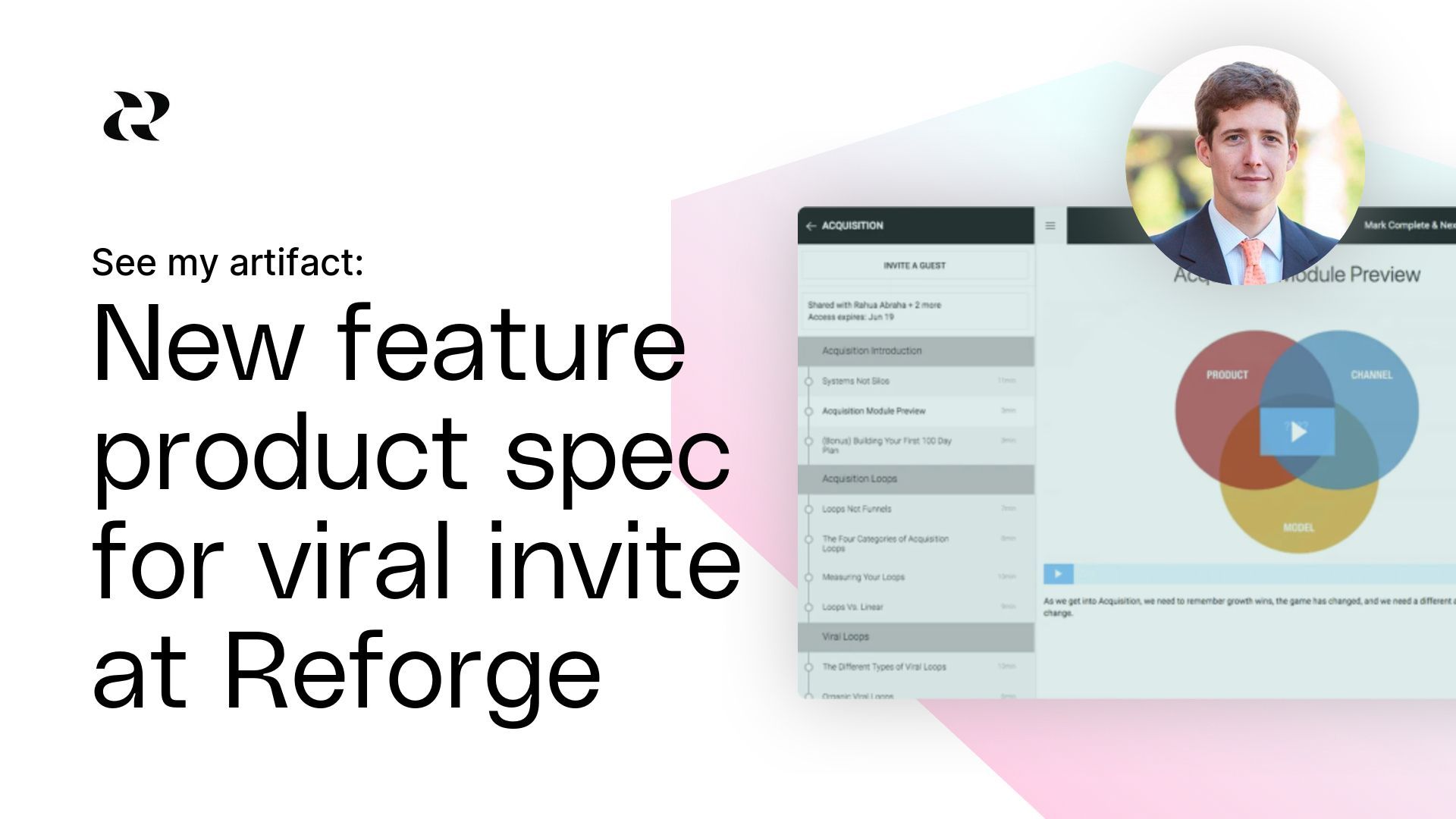
New Feature Product Spec for Viral Invite at Reforge:
This PRD details the implementation of a new viral invite feature in Reforge's product, including user stories, acceptance criteria, wireframes, and success metrics for the functionality.
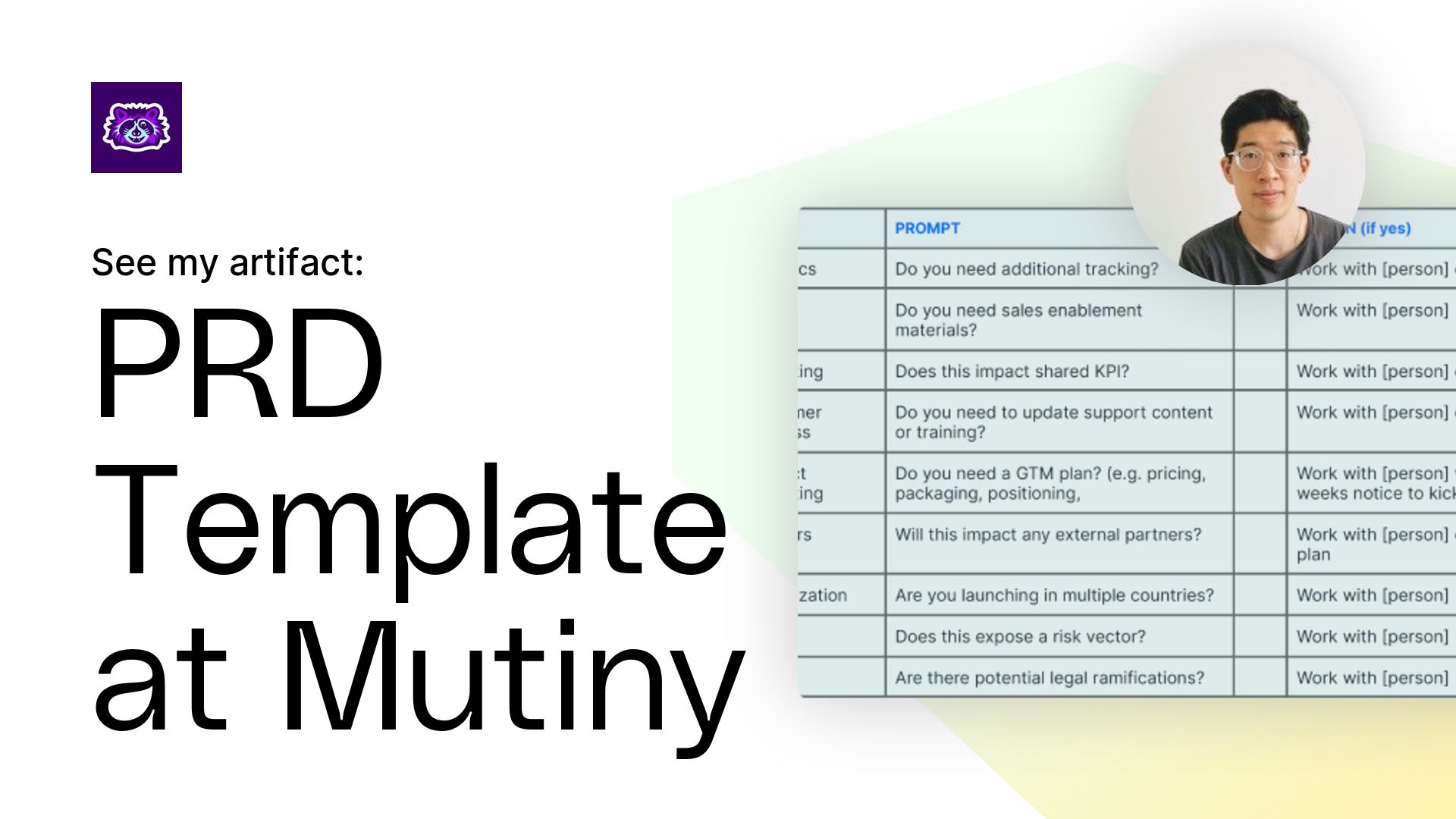
PRD Template at Mutiny:
Mutiny provides a template for creating PRDs, offering a structured framework for documenting product requirements. The template includes sections for defining objectives, user stories, functional and non-functional requirements, wireframes, and metrics.
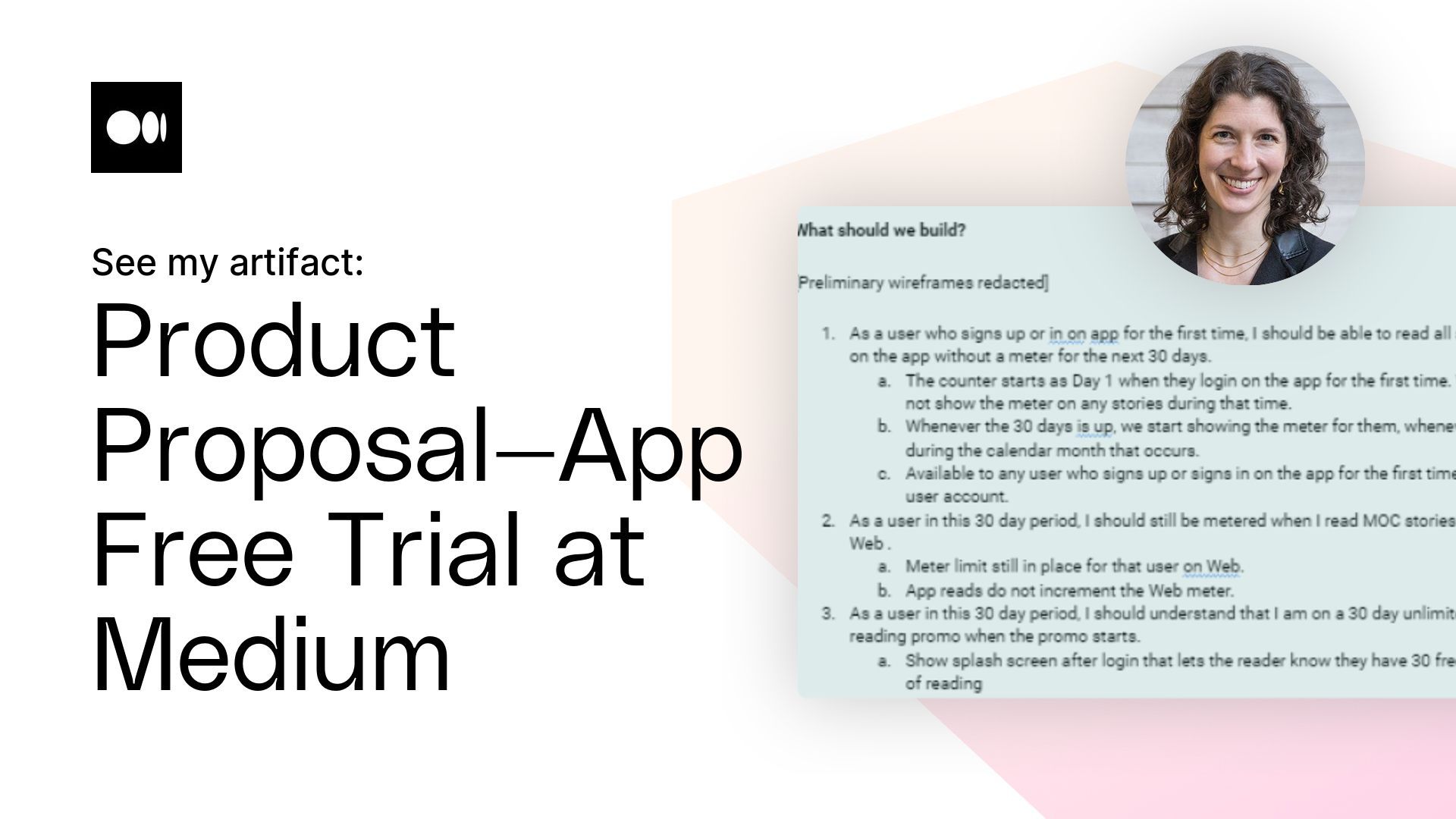
Product Proposal—App Free Trial at Medium:
Medium presents a product proposal outlining the implementation of a free trial feature for their mobile app. The proposal includes a description of the feature, its purpose, target audience, expected outcomes, and technical considerations.
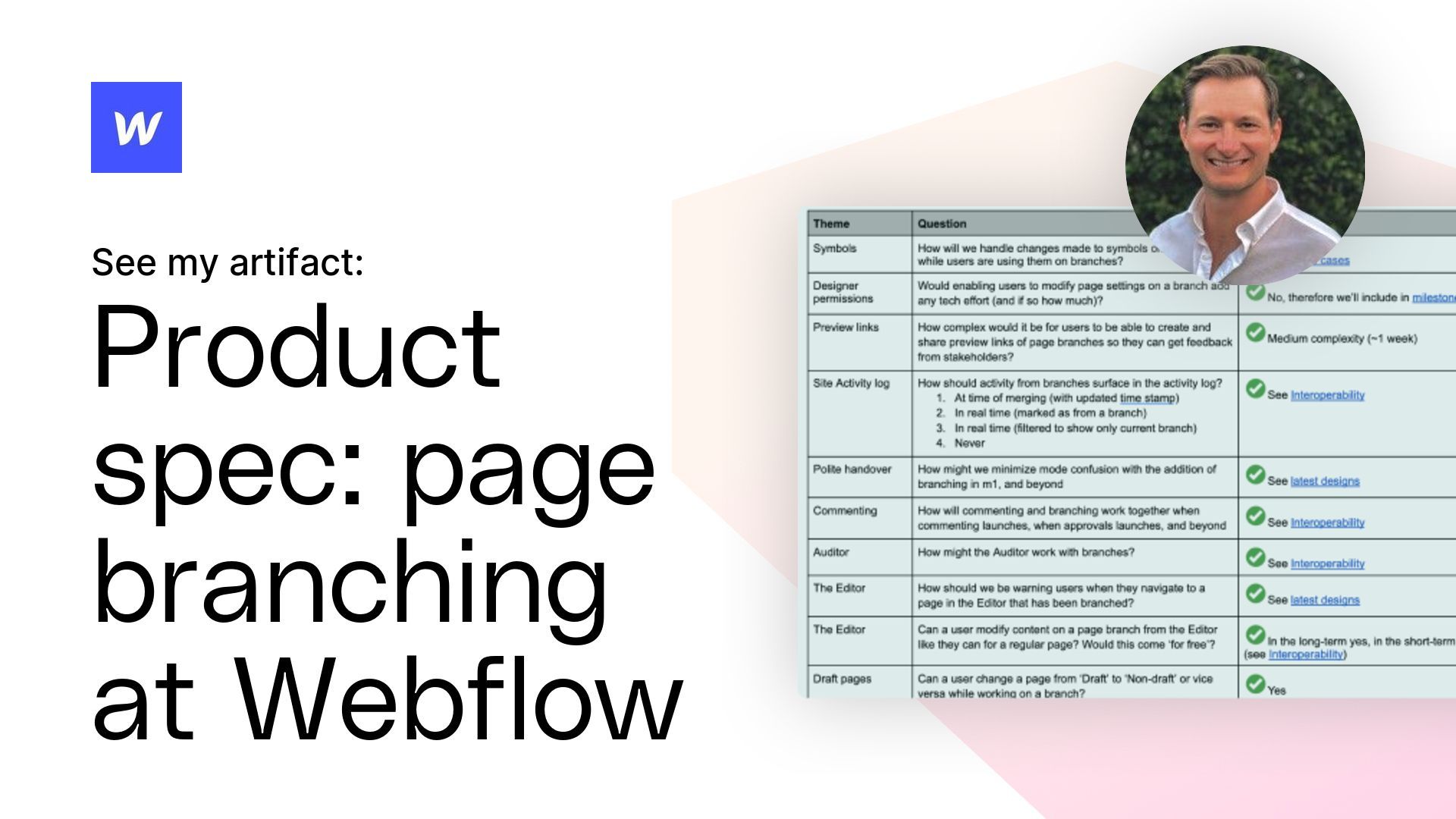
Product Spec: Page Branching at Webflow:
Webflow's product spec document details the requirements for implementing page branching functionality within their platform. It includes user stories, wireframes demonstrating the branching logic, technical specifications, and metrics for measuring the feature's success.
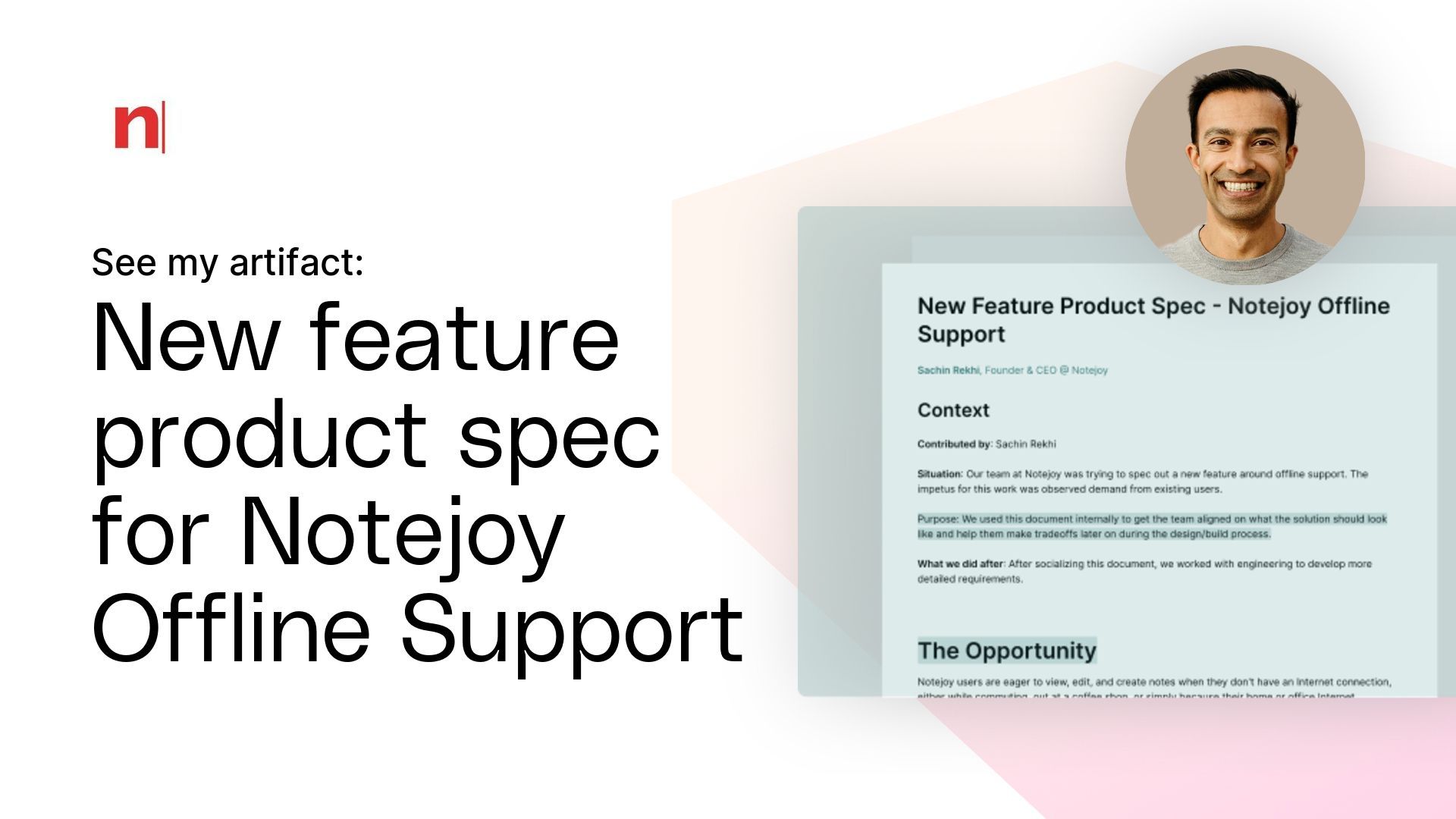
New Feature Product Spec for Notejoy Offline Support:
This PRD example focuses on introducing offline support for Notejoy, a collaborative note-taking application. The document specifies requirements for enabling users to access and edit their notes without an internet connection, including offline synchronization logic, user interface considerations, and performance requirements.
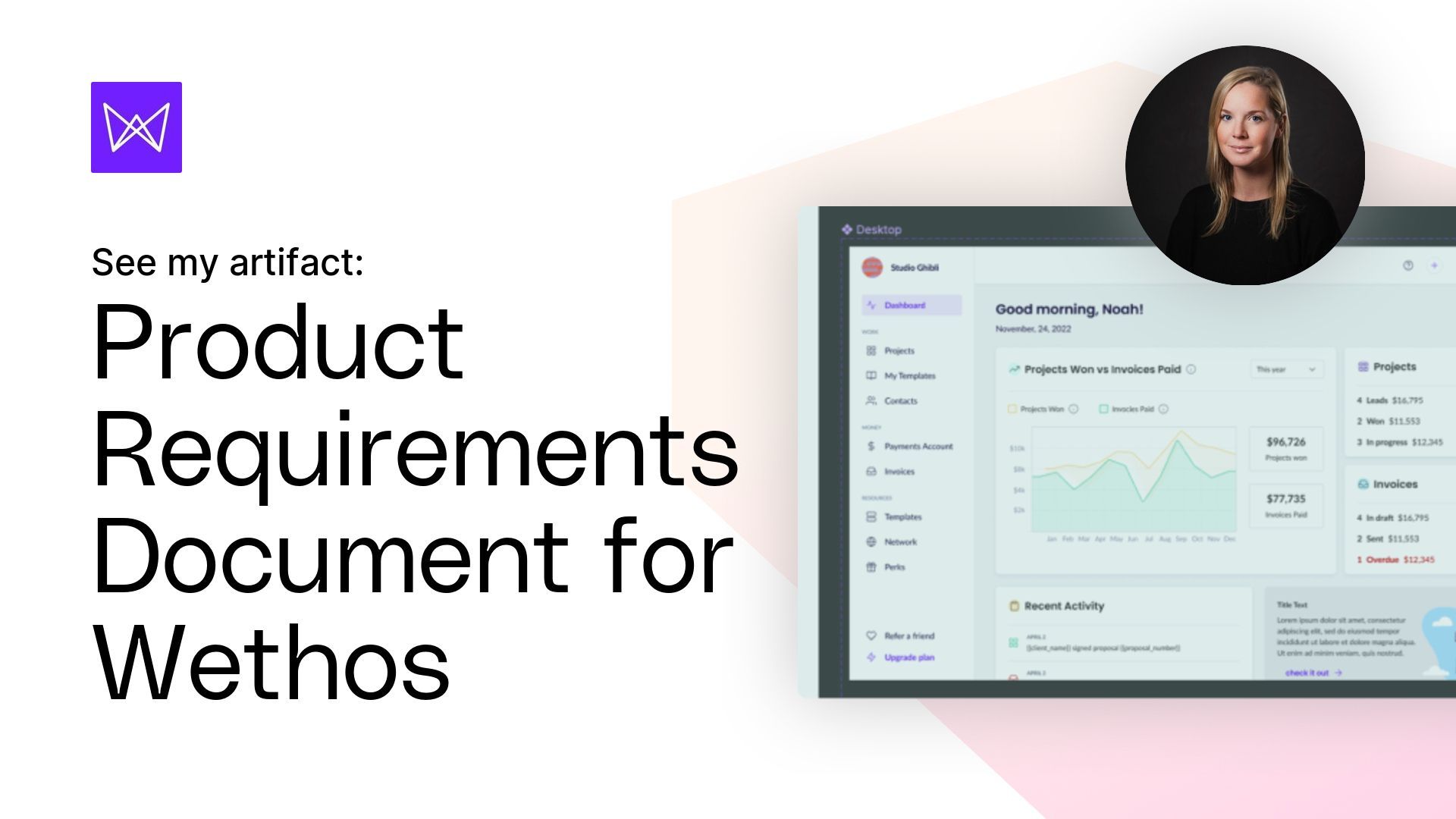
Product Requirements Document for Wethos:
Wethos' PRD outlines the requirements for enhancing their platform with new features or improvements. It covers a range of aspects, including user needs, feature prioritization, technical feasibility, and success criteria.
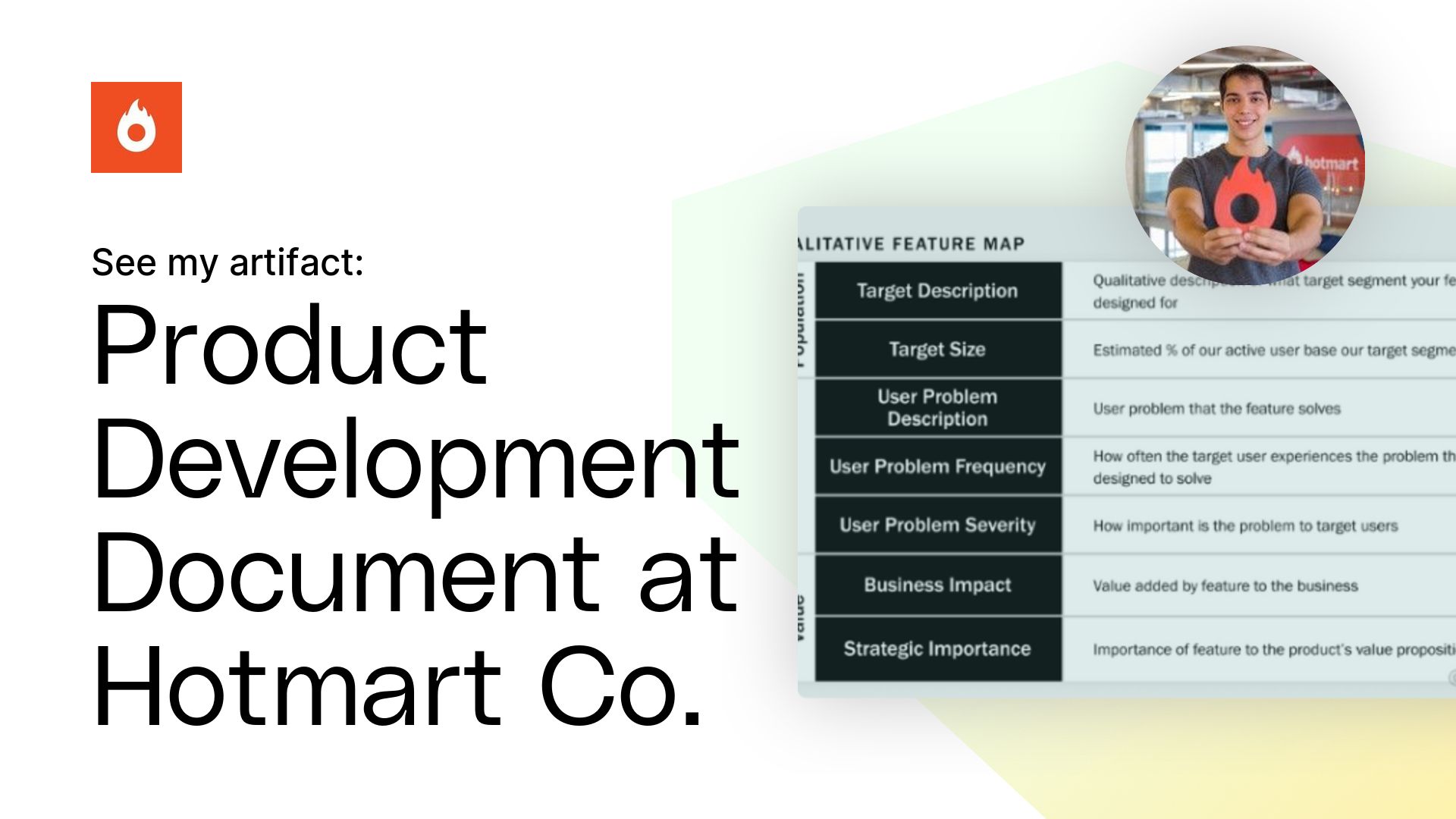
Product Development Document at Hotmart Co.:
Hotmart Co.'s product development document provides a comprehensive overview of the product development process, including requirements gathering, design, implementation, testing, and deployment. It includes detailed specifications, timelines, resource allocations, and risk assessments for the project.
Conclusion
Following these guidelines and using the provided templates makes crafting a comprehensive PRD organized and efficient, laying a solid foundation for successful product development.
Product Requirements Document: What Is It & How To Write It [With 7 Templates]
What Is a PRD & Why Is it Important?
A Product Requirements Document (PRD) is a blueprint that outlines all of the necessary features and specifications of a new product, including its value proposition, target audience, and benefits. Created by the product manager, this document helps facilitate communication with the product team and stakeholders.
The PRD starts with a vision of the product's goals, translated into milestones, features, and functionalities. It details how different users will interact with the product and provides insights into its visual representation. PRDs are crucial in both traditional methodologies like waterfall and agile environments, ensuring alignment across teams, facilitating clear communication, and serving as a roadmap for successful product development to meet objectives and deliver a great product. Key Components of a Product Requirements Document
A well-crafted PRD comprises several key components, each serving a specific purpose in elucidating the product's requirements and functionalities.
These components include:
Functional Requirements
Functional requirements specify what the product should do from a user's perspective, detailing features, functionalities, and interactions necessary to meet user needs and expectations. They provide a comprehensive breakdown of user stories, use cases, and scenarios, illustrating the actions users can perform and the expected outcomes. These requirements often include features like user authentication, data input forms, search functionality, checkout processes, and account management capabilities.
Non-functional Requirements
Non-functional requirements focus on the performance, reliability, security, and scalability aspects of the product. Unlike functional requirements, which address what the product does, non-functional requirements cover how the product performs.
These requirements outline the constraints and quality attributes the product must adhere to, such as response times, system availability, data encryption standards, and compliance regulations.
Non-functional requirements can include performance targets, security measures, scalability needs, and compliance standards (e.g., GDPR, HIPAA).
Wireframes and Mockups
Wireframes and mockups provide visual representations of an interface, illustrating the product design, layout, and flow. They give stakeholders a clear visualization of the end product and set design expectations.
These visual artifacts can include sketches, interactive prototypes, and diagrams showing various screens, user interactions, navigation paths, and visual elements. Wireframes and mockups facilitate communication between product managers, designers, and developers, enabling alignment on the visual and functional aspects of the product.
Metrics and Success Criteria
Metrics and success criteria define the key performance indicators (KPIs) and benchmarks that will be used to evaluate the product’s success. These metrics should align with the product's goals and objectives, and offer measurable outcomes that demonstrate the product's value to stakeholders.
Metrics and success criteria can include user engagement metrics (e.g. active users and retention rate), conversion rates, revenue targets, customer satisfaction scores, and other relevant KPIs.
What Is the Difference Between PRD and BRD?
The Product Requirements Document (PRD) and the Business Requirements Document (BRD) are both crucial documents in the product development process. However, they serve distinct purposes and focus on different aspects of the project.
PRD (Product Requirements Document)
The PRD primarily outlines the functionalities, features, and user interactions the product should have, providing a detailed blueprint for the development team. It includes detailed descriptions of personas, user stories, functional and non-functional requirements, wireframes, mockups, and success metrics, capturing the technical aspects like system behavior, data processing, and user interface design.
The primary audience for the PRD includes product managers, designers, developers, and any other member of the development team who are responsible for turning the product vision into reality.
BRD (Business Requirements Document)
In contrast, the BRD addresses the broader business needs and objectives driving the product's development. It outlines high-level goals, constraints, and success criteria the product should align with to fulfill objectives.
A BRD typically includes business goals, market analysis, competitive landscape, regulatory requirements, budget constraints, and stakeholder expectations. It gives context for why the product is being developed and what the expected outcomes will be.
The primary audience for the BRD includes business stakeholders, executives, investors, and other decision-makers who are concerned with the product's strategic alignment and financial viability.
While both documents are essential for the development process, they serve complementary roles, with the PRD focusing on the technical implementation of product features and the BRD providing strategic direction and alignment with business objectives. Together, these documents ensure the product meets user needs and contributes to the overall success of the organization.
Steps To Write a Product Requirements Document
Creating an effective Product Requirements Document (PRD) is a foundational step in any product development process.
Here's a detailed look at the steps involved in creating a PRD template.
1. Gather Requirements
The first phase is gathering requirements. This involves engaging with stakeholders through interviews, workshops, and surveys to understand user needs, business objectives, and technical constraints. By involving stakeholders from various departments, such as product management, engineering, design, and marketing, you ensure a comprehensive understanding of the project scope.
2. Define User Stories
Once requirements are gathered, the next step is translating them into user stories. User stories are concise descriptions of features from the perspective of end-users, following the format "As a [type of user], I want [some goal] so that [some reason]. "Breaking down requirements into user stories helps prioritize features based on their importance to end-users.
3. Document Functional and Non-functional Requirements
Functional requirements outline the specific behaviors or functions of the product, such as user interactions, system inputs and outputs, and data processing capabilities. On the other hand, non-functional requirements define the quality attributes of the product, including performance, security, scalability, and usability.
Documenting both types of requirements ensures that the development team has a clear understanding of what needs to be built and how it should perform.
4. Create Wireframes and Mockups
Visual representations such as wireframes and mockups help translate requirements into tangible design elements. Wireframes provide a skeletal outline of the user interface, focusing on layout and functionality without including visual design details.
Conversely, mockups are more detailed representations that include visual design elements such as colors, typography, and branding. These artifacts provide clarity on design expectations and facilitate communication between stakeholders and the development team.
5. Define Metrics and Success Criteria
Establishing measurable metrics and success criteria is crucial for evaluating the effectiveness of the product against predetermined goals. These metrics may include key performance indicators (KPIs) related to user engagement, retention, conversion rates, or other relevant business objectives.
Success criteria establish specific outcomes or targets indicating the product's successful delivery of customer needs. By defining clear metrics and success criteria upfront, teams can track progress, identify areas for improvement, and ensure alignment with business goals throughout the development process.
7 Examples of Product Requirements Documents
Here are examples of Product Requirements Documents (PRDs) from various companies:
New Feature Product Spec for Viral Invite at Reforge:
This PRD details the implementation of a new viral invite feature in Reforge's product, including user stories, acceptance criteria, wireframes, and success metrics for the functionality.
PRD Template at Mutiny:
Mutiny provides a template for creating PRDs, offering a structured framework for documenting product requirements. The template includes sections for defining objectives, user stories, functional and non-functional requirements, wireframes, and metrics.
Product Proposal—App Free Trial at Medium:
Medium presents a product proposal outlining the implementation of a free trial feature for their mobile app. The proposal includes a description of the feature, its purpose, target audience, expected outcomes, and technical considerations.
Product Spec: Page Branching at Webflow:
Webflow's product spec document details the requirements for implementing page branching functionality within their platform. It includes user stories, wireframes demonstrating the branching logic, technical specifications, and metrics for measuring the feature's success.
New Feature Product Spec for Notejoy Offline Support:
This PRD example focuses on introducing offline support for Notejoy, a collaborative note-taking application. The document specifies requirements for enabling users to access and edit their notes without an internet connection, including offline synchronization logic, user interface considerations, and performance requirements.
Product Requirements Document for Wethos:
Wethos' PRD outlines the requirements for enhancing their platform with new features or improvements. It covers a range of aspects, including user needs, feature prioritization, technical feasibility, and success criteria.
Product Development Document at Hotmart Co.:
Hotmart Co.'s product development document provides a comprehensive overview of the product development process, including requirements gathering, design, implementation, testing, and deployment. It includes detailed specifications, timelines, resource allocations, and risk assessments for the project.
Conclusion
Following these guidelines and using the provided templates makes crafting a comprehensive PRD organized and efficient, laying a solid foundation for successful product development.