Reforge has joined Miro ↗
How To Create an Interview Guide (+Tips & Examples)
Consistency and fairness are essential to finding the right candidate for your company’s open role. Interview guides can make a big difference in the hiring process.
These structured documents can give your team a roadmap for interviews, making sure every candidate has an equitable experience, and you can gather the information to make the best possible decision.
What Is an Interview Guide?
An interview guide is an outline that helps to standardize and streamline your hiring interviews. These guides don’t just include good interview questions, either. They help to reduce bias and include follow-up questions to dive deeper.
Here’s what a typical interview guide may include:
Company and position overview
Interview questions tailored to the role
Probing follow-up questions
Evaluation criteria
Logistical details
It will be important to customize your questions and the structure of your interview guide according to specific job requirements and company culture. And remember: it’s a tool, not a script. So, while the guide helps direct the conversation, leave room for flexibility and natural dialogue.
What Are the Benefits of Using an Interview Guide?
Think of a hiring manager diving into interview formats with a stack of resumes and a vague idea of what to ask. This can ultimately lead to disorganized conversations, many missed opportunities, and a less-than-solid idea of whether someone is really a good fit for the role.
The interview workflow becomes a whole different ballgame with a thoughtfully crafted interview guide in hand. How exactly do these guides support the interview process?
1. Structure That Sets You Up for Success
Without a guide, interviews can become meandering question-and-answer sessions. You might forget to ask an important question about a specific skill or get sidetracked into tangents that don’t get to the root of the person.
A well-designed interview guide can prevent awkward pauses and make sure you cover the critical areas that matter most for the role.
2. Flexibility That Keeps Possibilities Open
Interview guides offer a useful mix of adaptability and necessary structure. Of course, sticking to a plan is important, but it’s also important to remember that it’s not etched in stone. If interviewees begin a useful line of discussion, go with it. Interview guides allow you to explore leads and dive a bit deeper.
You can always circle back to your specific questions later on in the conversation. This flexibility is essential because it allows you to customize the type of interview to each interviewee and learn unexpected but valuable insights.
3. Maximize Your Insight
An interview guide can maximize the information you gain from each potential candidate. By choosing open-ended or probing types of questions, you are inviting respondents to go beyond simple “yes” or “no” answers.
It is important to think about adding follow-up questions—they’ll encourage both you and your interviewee to go deeper into topics and help you gain a better understanding of a candidate’s skills.
It will help to think strategically about the order of your questions, as well. A natural flow engages candidates and helps you reach richer, more interconnected information.
4. Consistency for a Level Playing Field
Interview guides help ensure that every candidate has a fair and equal experience in the interview process. Using a carefully developed guide allows you to ask the same core questions of each applicant and compare them objectively. This prioritizes fairness and helps ensure any bias takes a back seat.
5. The Room To Improve
As we mentioned earlier, your interview guide isn’t etched in stone. You can continually learn as you go, refining your interview guide for even better results down the line.
Did a particular question consistently lead to vague answers? You can always tweak it. Notice a highly qualified candidate struggling with a line of questioning? It may be time to rephrase it. Consistently improving your interview guide can pay off in finding even stronger hires.
Don’t forget that active listening, building a connection with candidates, and recognizing their nonverbal cues are important parts of the interview process.
What Are the Key Components of an Interview Guide?
Your interview guide is more than just a simple list of questions. Here are some critical aspects of a well-designed interview guide:
Company and Position Overview: This brief intro can begin the conversation smoothly. This is a great way to break the ice and set the tone for the rest of the interview.
Core Interview Questions: Design these questions to unearth the skills and candidate experience your team is looking for. Include some open-ended questions, behavioral questions, and more targeted questions to dive deeper into each candidate’s background.
Follow-up Probes: It is good to be prepared with additional clarifying questions to gain richer insights. These allow you to tailor the interview as you go based on the conversation and previous answers.
Finally, it’s important to wrap up the interview by letting the candidate know the next steps in the hiring process. This not only shows respect for the candidate’s time but also keeps them in the loop.
How To Create an Interview Guide in 6 Steps
Building your interview guide doesn’t have to be an overwhelming process.
Here’s a step-by-step approach:
Target Your Focus: Identify the role or department for which you need the specific interview guide. This helps you tailor the content to the needs of each team.
Consult the Experts: It’s essential to gather information from current employees in the same position. Their insights about the day-to-day responsibilities are invaluable.
Analyze the Requirements: Review the job description before creating your guide and pinpoint the skills and qualifications you need.
Craft Your Questions: Use a well-rounded mix of questions to get the most from each interview.
Build a Structured Interview: Arrange your questions thoughtfully, moving from easy introductory questions to questions that require more in-depth answers. Add your overview and a space for any note-taking on the hiring process.
Share and Gather Feedback: Give a copy of the guide to everyone involved in the interview process.
Creating your own interview guides is an excellent start, but professionally tailored templates can help you start the process. You’ll be ready for the next interview like a pro.
The 6 Top Interview Guides Templates Used by Top Companies
These real-world interview guide templates have been used by some of the most innovative companies out there and offer proven paths to success:
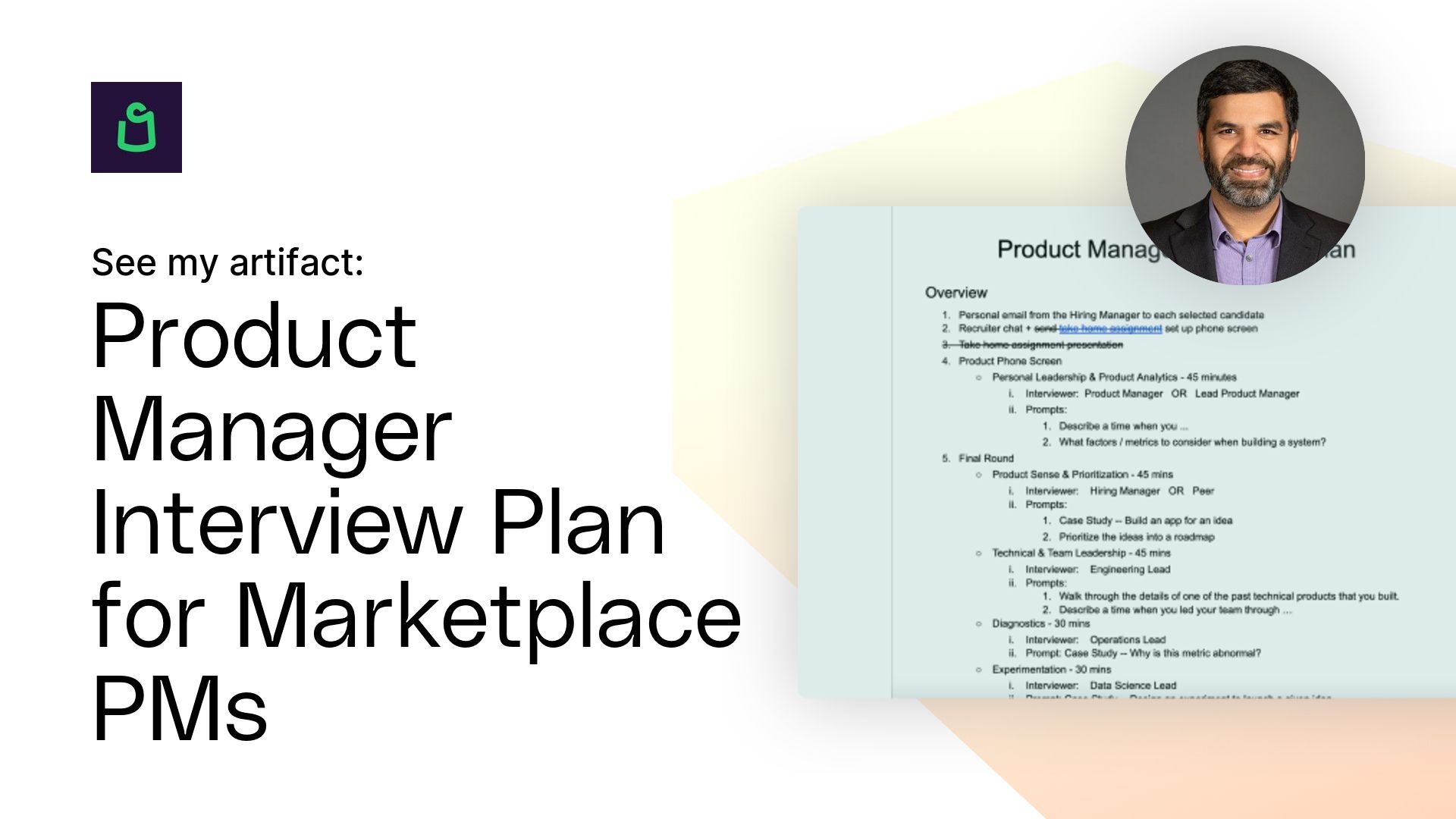
1. Product Manager Interview Plan for Marketplace PMs
By Vishal Kapoor, Senior Director of Product Management @ Shipt
Vishal’s comprehensive plan draws on his vast experience building teams for companies like Zynga, Lyft, and Shipt. This template is an excellent starting point if you seek technical, data-focused PMs with a knack for backend and marketplace products.
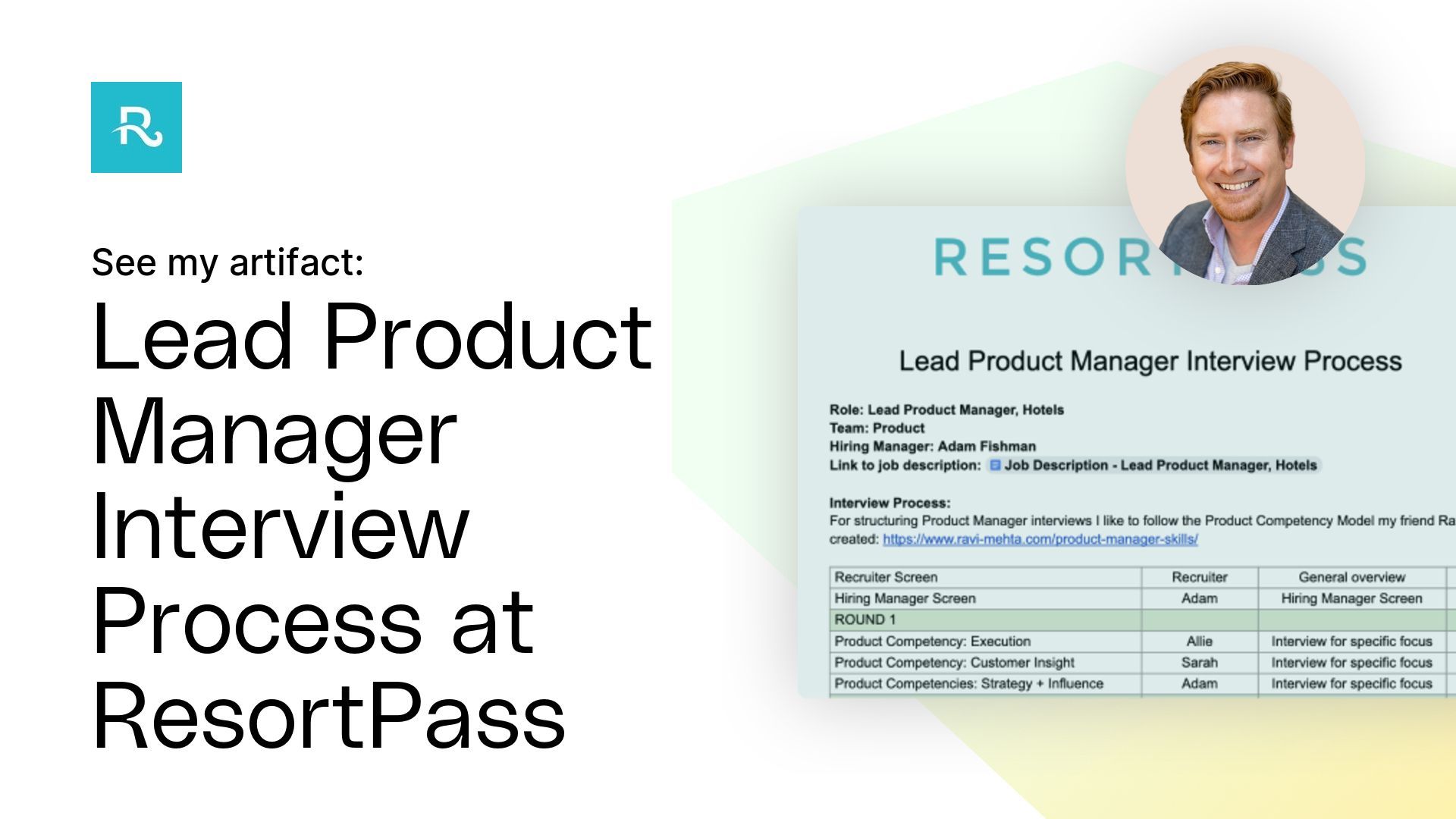
2. Lead Product Manager Interview Process at ResortPass
By Adam Fishman, Interim Chief Product & Technology Officer @ ResortPass
Adam’s detailed process covers everything from effective screening to final presentations, which is ideal for finding your next Lead Product Manager on the Hotels team. It’s especially valuable if you prioritize strong stakeholder management and API integration experience.
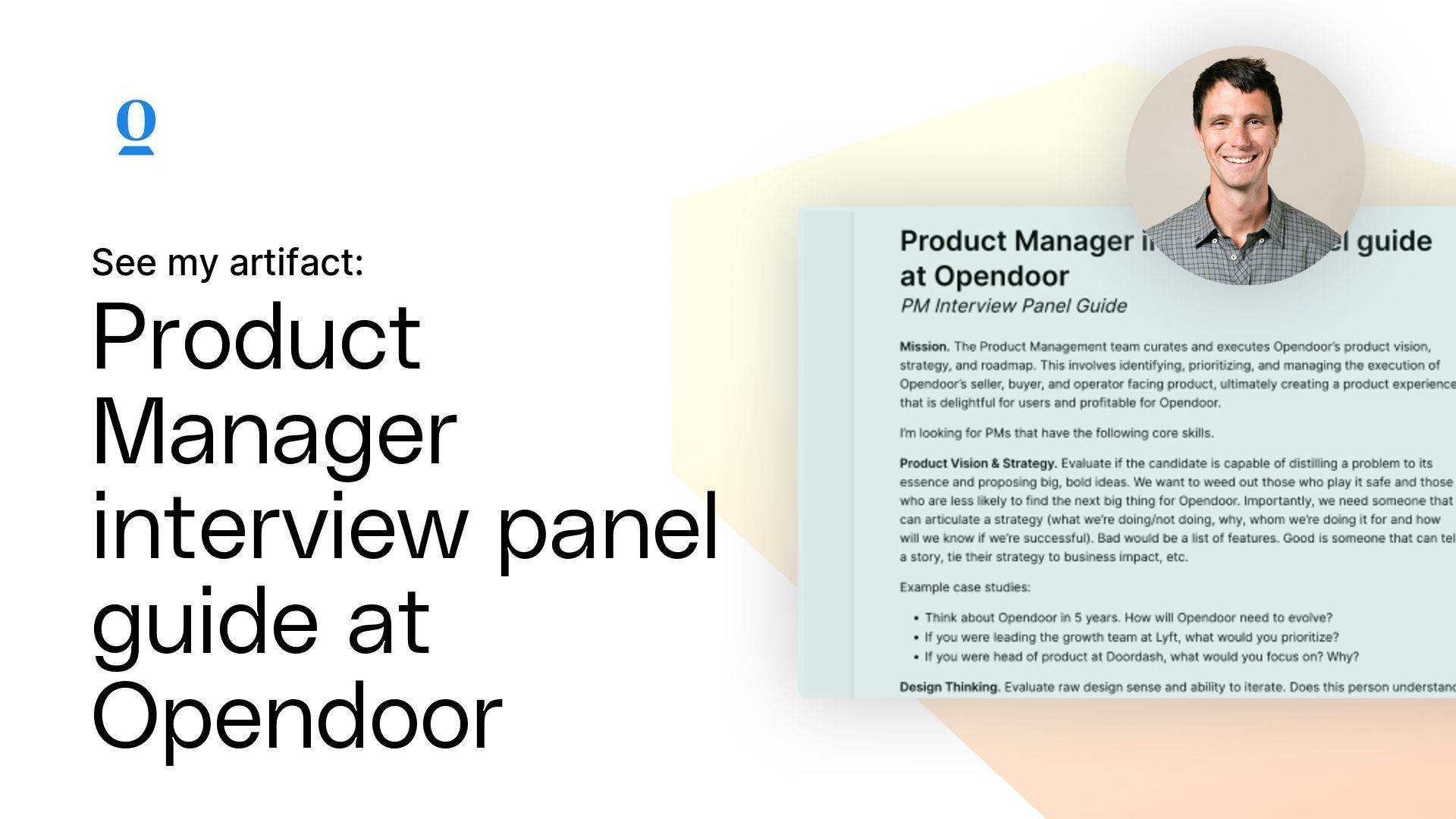
3. Product Manager Interview Panel Guide at Opendoor
By Tom Willerer, Chief Product Officer @Opendoor
Ensure your hiring panel is aligned and focused with Tom’s guide. It offers targeted case studies and questions to assess a potential PM’s core competencies, from product vision to execution skills.
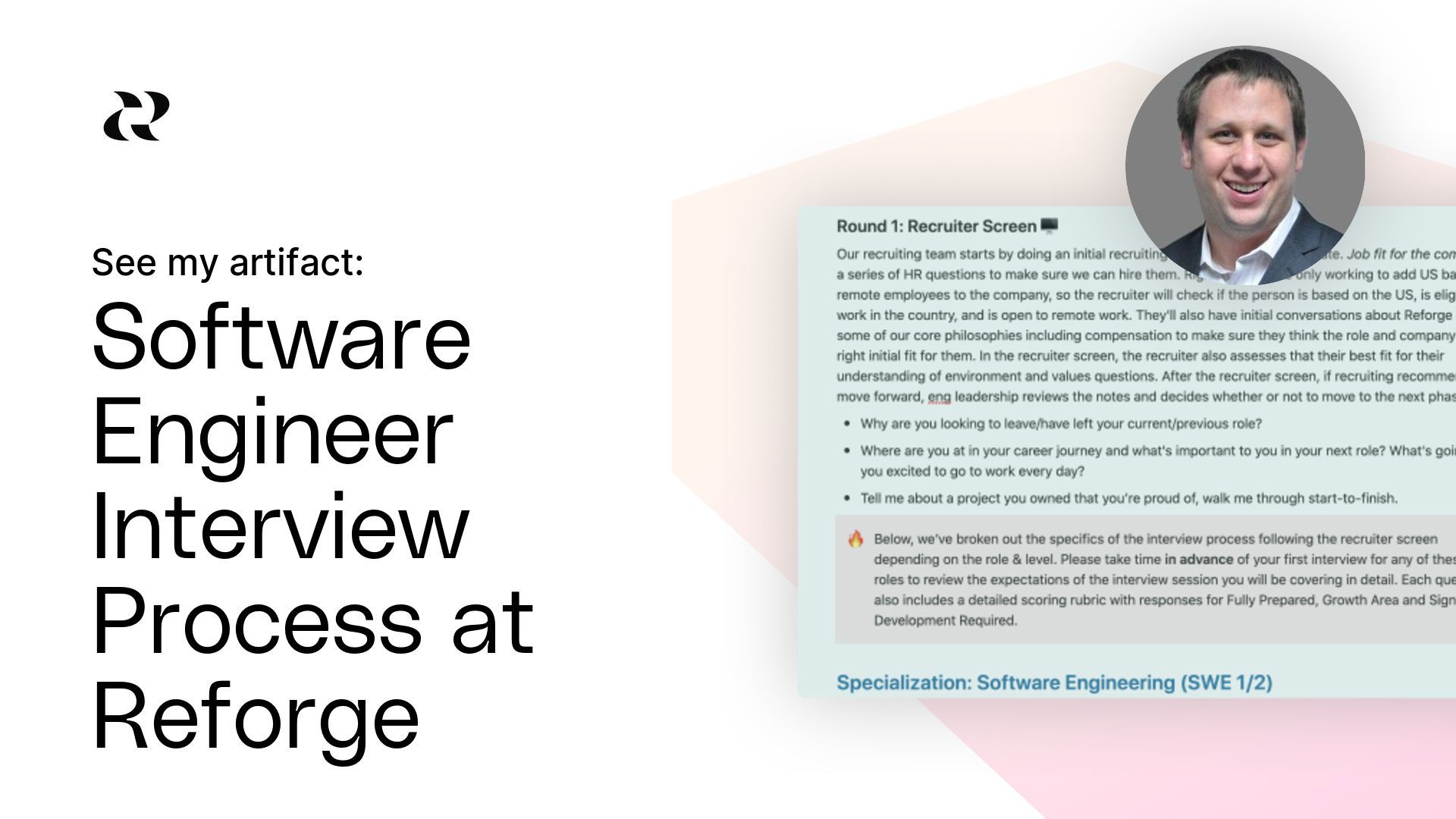
4. Software Engineer Interview Process at Reforge
By Trevor White, VP of Engineering @ Reforge
Discover insights into Reforge’s approach to hiring exceptional software engineers. Trevor’s template emphasizes evaluating candidates through simulations, multi-part interview questions, and a focus on aligning with core company values.
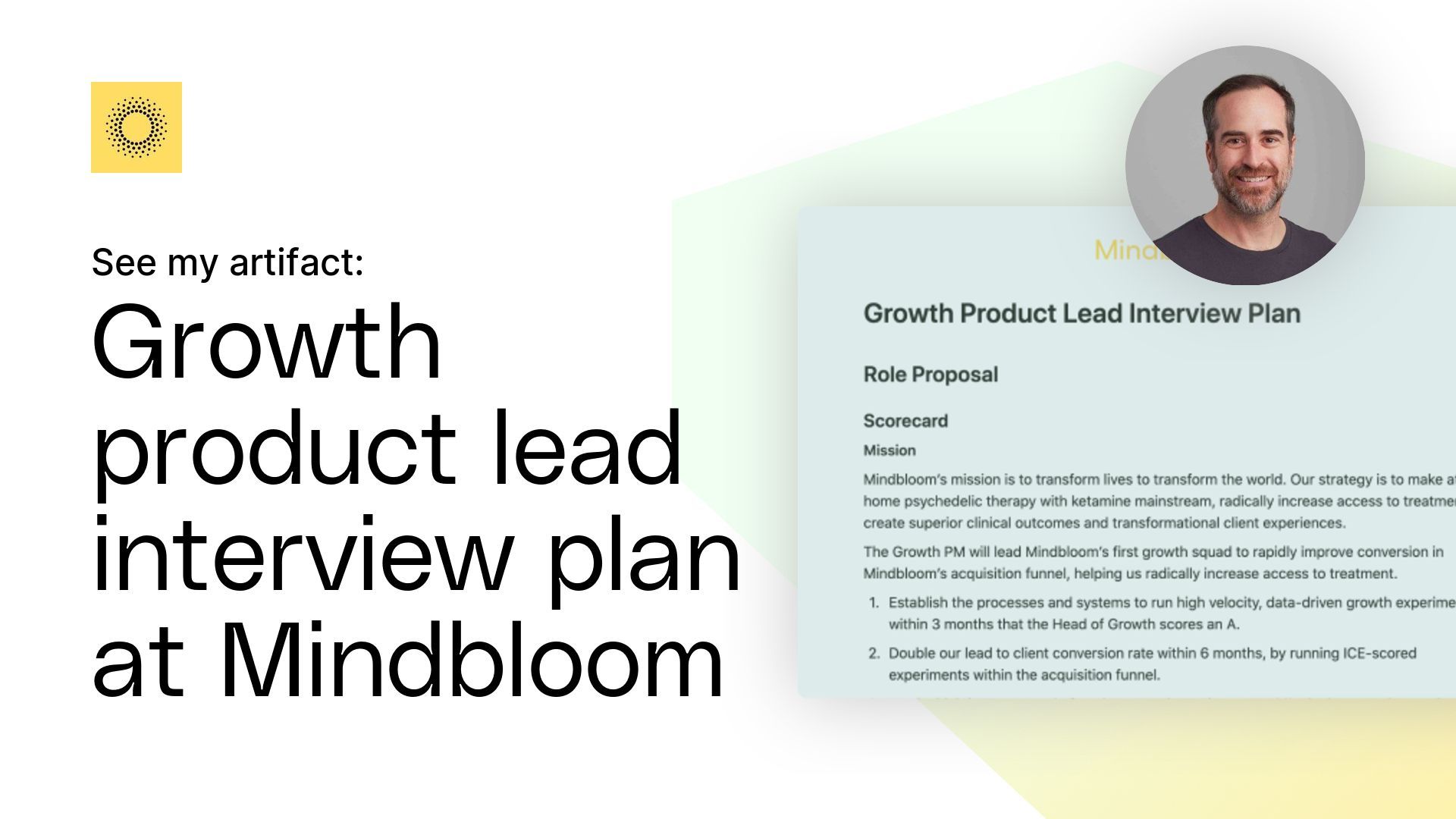
5. Growth Product Lead Interview Plan at Mindbloom
By Adam von Reyn, Head of Growth @ Mindbloom
Adam’s plan offers a direct pathway when hiring a Growth Product Lead to spearhead initiatives driving conversion and treatment access. Expect homework assignments and targeted exercises to ensure candidates have the right mix of skills and values.
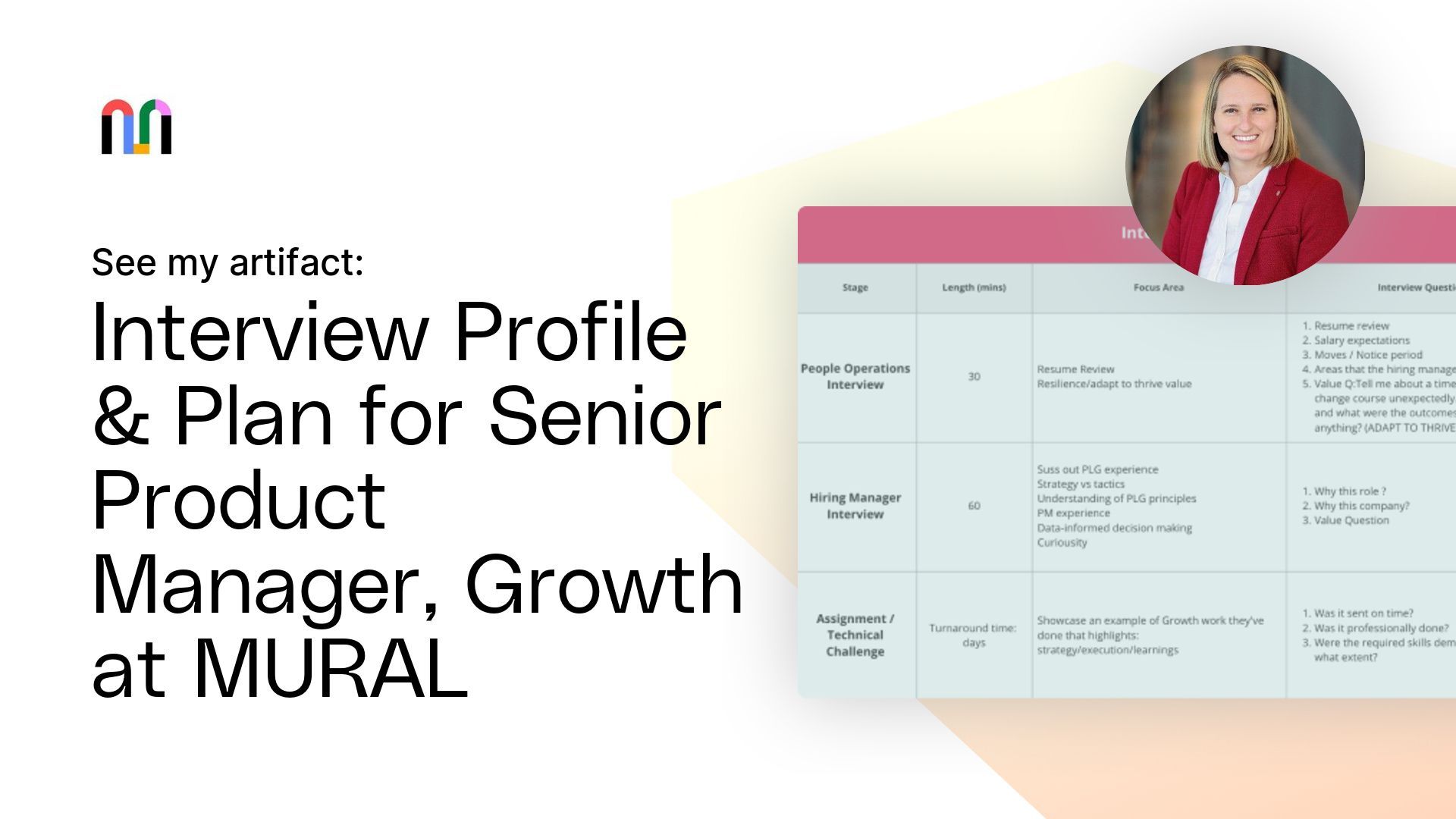
6. Interview Profile & Plan for Senior Product Manager, Growth at MURAL
By Lauren Schuman, VP of Product Growth @ MURAL
Learn how Lauren scaled Mural’s product team from two PMs to an impressive 40. Her template excels when you need to focus on monetization and key customer journey touchpoints.
View all Interview Guide artifacts
Interview Prep Tips
Are you getting ready to interview for your dream job? Landing that position takes more than just having the perfect answers to the classic questions.
Here’s how to ensure you leave a lasting impression:
Body Language: Maintaining a confident posture and steady eye contact can help you make a positive first impression. It can help to practice answering common interview questions in front of a mirror or with a friend or family member.
Mock Interviews: Mock interviews allow you a chance to refine your interview answers and boost your confidence in a setting you are more comfortable with. Ask a friend or mentor to help.
Little Things Matter: Think about the details as you prepare. These include professional attire, travel time to the office, and being prepared with copies of your resume.
Explore Artifacts of All Kinds
Browse other popular categories to get ideas for your own work
AI
Career Development
Data Analysis
Growth
Leadership
Marketing
Product Development
Strategy
Team Operations
User Research
Explore all artifacts
Topics Related to Interview Guides
Candidate Evaluation
Employee Onboarding
Hiring Guide
Interview Questions
Job Description
Reverse Interviewing
Take Home Assignment
How To Create an Interview Guide (+Tips & Examples)
Consistency and fairness are essential to finding the right candidate for your company’s open role. Interview guides can make a big difference in the hiring process.
These structured documents can give your team a roadmap for interviews, making sure every candidate has an equitable experience, and you can gather the information to make the best possible decision.
What Is an Interview Guide?
An interview guide is an outline that helps to standardize and streamline your hiring interviews. These guides don’t just include good interview questions, either. They help to reduce bias and include follow-up questions to dive deeper.
Here’s what a typical interview guide may include:
Company and position overview
Interview questions tailored to the role
Probing follow-up questions
Evaluation criteria
Logistical details
It will be important to customize your questions and the structure of your interview guide according to specific job requirements and company culture. And remember: it’s a tool, not a script. So, while the guide helps direct the conversation, leave room for flexibility and natural dialogue.
What Are the Benefits of Using an Interview Guide?
Think of a hiring manager diving into interview formats with a stack of resumes and a vague idea of what to ask. This can ultimately lead to disorganized conversations, many missed opportunities, and a less-than-solid idea of whether someone is really a good fit for the role.
The interview workflow becomes a whole different ballgame with a thoughtfully crafted interview guide in hand. How exactly do these guides support the interview process?
1. Structure That Sets You Up for Success
Without a guide, interviews can become meandering question-and-answer sessions. You might forget to ask an important question about a specific skill or get sidetracked into tangents that don’t get to the root of the person.
A well-designed interview guide can prevent awkward pauses and make sure you cover the critical areas that matter most for the role.
2. Flexibility That Keeps Possibilities Open
Interview guides offer a useful mix of adaptability and necessary structure. Of course, sticking to a plan is important, but it’s also important to remember that it’s not etched in stone. If interviewees begin a useful line of discussion, go with it. Interview guides allow you to explore leads and dive a bit deeper.
You can always circle back to your specific questions later on in the conversation. This flexibility is essential because it allows you to customize the type of interview to each interviewee and learn unexpected but valuable insights.
3. Maximize Your Insight
An interview guide can maximize the information you gain from each potential candidate. By choosing open-ended or probing types of questions, you are inviting respondents to go beyond simple “yes” or “no” answers.
It is important to think about adding follow-up questions—they’ll encourage both you and your interviewee to go deeper into topics and help you gain a better understanding of a candidate’s skills.
It will help to think strategically about the order of your questions, as well. A natural flow engages candidates and helps you reach richer, more interconnected information.
4. Consistency for a Level Playing Field
Interview guides help ensure that every candidate has a fair and equal experience in the interview process. Using a carefully developed guide allows you to ask the same core questions of each applicant and compare them objectively. This prioritizes fairness and helps ensure any bias takes a back seat.
5. The Room To Improve
As we mentioned earlier, your interview guide isn’t etched in stone. You can continually learn as you go, refining your interview guide for even better results down the line.
Did a particular question consistently lead to vague answers? You can always tweak it. Notice a highly qualified candidate struggling with a line of questioning? It may be time to rephrase it. Consistently improving your interview guide can pay off in finding even stronger hires.
Don’t forget that active listening, building a connection with candidates, and recognizing their nonverbal cues are important parts of the interview process.
What Are the Key Components of an Interview Guide?
Your interview guide is more than just a simple list of questions. Here are some critical aspects of a well-designed interview guide:
Company and Position Overview: This brief intro can begin the conversation smoothly. This is a great way to break the ice and set the tone for the rest of the interview.
Core Interview Questions: Design these questions to unearth the skills and candidate experience your team is looking for. Include some open-ended questions, behavioral questions, and more targeted questions to dive deeper into each candidate’s background.
Follow-up Probes: It is good to be prepared with additional clarifying questions to gain richer insights. These allow you to tailor the interview as you go based on the conversation and previous answers.
Finally, it’s important to wrap up the interview by letting the candidate know the next steps in the hiring process. This not only shows respect for the candidate’s time but also keeps them in the loop.
How To Create an Interview Guide in 6 Steps
Building your interview guide doesn’t have to be an overwhelming process.
Here’s a step-by-step approach:
Target Your Focus: Identify the role or department for which you need the specific interview guide. This helps you tailor the content to the needs of each team.
Consult the Experts: It’s essential to gather information from current employees in the same position. Their insights about the day-to-day responsibilities are invaluable.
Analyze the Requirements: Review the job description before creating your guide and pinpoint the skills and qualifications you need.
Craft Your Questions: Use a well-rounded mix of questions to get the most from each interview.
Build a Structured Interview: Arrange your questions thoughtfully, moving from easy introductory questions to questions that require more in-depth answers. Add your overview and a space for any note-taking on the hiring process.
Share and Gather Feedback: Give a copy of the guide to everyone involved in the interview process.
Creating your own interview guides is an excellent start, but professionally tailored templates can help you start the process. You’ll be ready for the next interview like a pro.
The 6 Top Interview Guides Templates Used by Top Companies
These real-world interview guide templates have been used by some of the most innovative companies out there and offer proven paths to success:
1. Product Manager Interview Plan for Marketplace PMs
By Vishal Kapoor, Senior Director of Product Management @ Shipt
Vishal’s comprehensive plan draws on his vast experience building teams for companies like Zynga, Lyft, and Shipt. This template is an excellent starting point if you seek technical, data-focused PMs with a knack for backend and marketplace products.
2. Lead Product Manager Interview Process at ResortPass
By Adam Fishman, Interim Chief Product & Technology Officer @ ResortPass
Adam’s detailed process covers everything from effective screening to final presentations, which is ideal for finding your next Lead Product Manager on the Hotels team. It’s especially valuable if you prioritize strong stakeholder management and API integration experience.
3. Product Manager Interview Panel Guide at Opendoor
By Tom Willerer, Chief Product Officer @Opendoor
Ensure your hiring panel is aligned and focused with Tom’s guide. It offers targeted case studies and questions to assess a potential PM’s core competencies, from product vision to execution skills.
4. Software Engineer Interview Process at Reforge
By Trevor White, VP of Engineering @ Reforge
Discover insights into Reforge’s approach to hiring exceptional software engineers. Trevor’s template emphasizes evaluating candidates through simulations, multi-part interview questions, and a focus on aligning with core company values.
5. Growth Product Lead Interview Plan at Mindbloom
By Adam von Reyn, Head of Growth @ Mindbloom
Adam’s plan offers a direct pathway when hiring a Growth Product Lead to spearhead initiatives driving conversion and treatment access. Expect homework assignments and targeted exercises to ensure candidates have the right mix of skills and values.
6. Interview Profile & Plan for Senior Product Manager, Growth at MURAL
By Lauren Schuman, VP of Product Growth @ MURAL
Learn how Lauren scaled Mural’s product team from two PMs to an impressive 40. Her template excels when you need to focus on monetization and key customer journey touchpoints.
View all Interview Guide artifacts
Interview Prep Tips
Are you getting ready to interview for your dream job? Landing that position takes more than just having the perfect answers to the classic questions.
Here’s how to ensure you leave a lasting impression:
Body Language: Maintaining a confident posture and steady eye contact can help you make a positive first impression. It can help to practice answering common interview questions in front of a mirror or with a friend or family member.
Mock Interviews: Mock interviews allow you a chance to refine your interview answers and boost your confidence in a setting you are more comfortable with. Ask a friend or mentor to help.
Little Things Matter: Think about the details as you prepare. These include professional attire, travel time to the office, and being prepared with copies of your resume.
Explore Artifacts of All Kinds
Browse other popular categories to get ideas for your own work
AI
Career Development
Data Analysis
Growth
Leadership
Marketing
Product Development
Strategy
Team Operations
User Research
Explore all artifacts
Topics Related to Interview Guides
Candidate Evaluation
Employee Onboarding
Hiring Guide
Interview Questions
Job Description
Reverse Interviewing
Take Home Assignment