Reforge has joined Miro ↗
How To Create an Effective Career Ladder [+ Templates]
In today's dynamic workplace environment, where career growth and progression are highly valued, it's essential to understand the concept of a career ladder. Whether you're an employee seeking advancement opportunities, a human resources professional aiming to foster employee development, or a job seeker exploring potential career paths, insights into career ladders can be instrumental in achieving your goals.
This article explores the significance of career ladders and how to create them effectively, with examples from top companies to illustrate their implementation.
What Is a Career Ladder?
A career ladder, often referred to as a job ladder or corporate ladder, is a structured framework within an organization that outlines the hierarchical progression of roles and responsibilities, starting from entry-level positions and culminating in higher-level or management roles. It serves as a visual representation of the career advancement path available to employees within the organization.
Career ladders are essential for guiding employees along their career paths, providing clarity on the steps they need to take to advance and succeed in their chosen field. They outline the trajectory of advancement, including the new skills, experience, and qualifications required to progress to the next level.
Career ladders also facilitate career planning and development, allowing individuals to set goals and chart their professional growth over time.
Why Are Career Ladders Important for Career Advancement?
Career ladders play a crucial role in career advancement for several reasons:
Clarity and Direction
Career ladders provide employees with a clear roadmap for progression, outlining the specific steps and milestones they need to achieve to advance in their careers. This clarity helps individuals set goals and confidently navigate their career paths.
Skill Development
By delineating the skills and qualifications required for each level of advancement, career ladders encourage continuous learning and skill development. Employees are motivated to acquire new competencies and experiences that will enable them to progress to higher-level roles.
Recognition and Reward
Career ladders establish a framework for recognizing and rewarding employees' contributions and achievements. Advancement along the career ladder is often accompanied by promotions, salary increases, and other forms of recognition, which motivate individuals to strive for excellence in their roles.
Retention and Engagement
Organizations that offer clear career progression pathways are more likely to retain top talent and keep their employees engaged and motivated. Career ladders demonstrate a commitment to employee development and provide opportunities for growth and advancement within the company.
Succession Planning
Career ladders facilitate succession planning by identifying and coaching high-potential employees for future leadership roles. By nurturing talent from within, organizations can ensure a smooth transition of leadership and maintain continuity in key positions.
What Are the Advantages of Using a Career Ladder?
Implementing a career ladder offers several advantages for both employees and organizations. Firstly, it provides a transparent and structured path for career advancement, enabling employees to set clear goals and work towards them systematically. This transparency fosters a sense of direction and motivation among employees, which drives engagement and productivity.
Additionally, career ladders facilitate direct mentorship and skill acquisition. As employees progress through various levels, they receive guidance and support from mentors and supervisors, helping them develop the necessary competencies for higher-level roles. This mentorship accelerates professional growth and fosters a culture of continuous learning within the organization.
Smaller companies, in particular, can leverage career ladders to attract and retain top talent. By offering clear growth opportunities and advancement paths, smaller organizations can compete with larger counterparts and create a compelling value proposition for prospective employees. This, in turn, enhances workforce retention and reduces turnover, ultimately contributing to organizational success.
How To Build the Best Career Ladder in 7 Steps
Developing an effective career ladder requires thoughtful planning and consideration of various factors to ensure it meets the needs of both employees and the organization.
Here are seven key steps to guide you in building a successful career ladder program:
1. Define Career Paths
Begin by outlining the various career paths available within your organization, taking into account different roles, functions, and levels of expertise. This involves mapping out the progression route for each career path, from entry-level positions to senior leadership roles.
2. Identify Key Competencies
Determine the essential skills, knowledge, and competencies required for advancement within each career path. This may include technical skills, leadership abilities, industry certifications, and soft skills such as communication and problem-solving.
3. Establish Clear Criteria for Advancement
Define the criteria and benchmarks that employees must meet to progress along the career ladder. This could include performance metrics, tenure requirements, completion of training programs, and demonstration of specific competencies.
4. Provide Development Opportunities
Offer training, mentorship, and development programs to support employees in acquiring the skills and experience needed for advancement. This could involve formalized training sessions, on-the-job learning experiences, and opportunities for cross-functional collaboration.
5. Promote Transparency and Communication
Ensure transparency in the career advancement process by clearly communicating the expectations, requirements, and opportunities available within the career ladder. Encourage regular discussions between employees and managers to assess progress, provide feedback, and discuss career goals.
6. Offer Flexibility and Pathways
Recognize that career paths are not always linear and may involve lateral moves, current job rotations, or alternative pathways for advancement. Provide flexibility within the career ladder framework to accommodate diverse career trajectories and individual preferences.
7. Continuously Evaluate and Adapt
Regularly review and evaluate the effectiveness of the career ladder program, soliciting feedback from employees and stakeholders. Identify areas for improvement and make adjustments as necessary to ensure the program remains relevant and aligned with organizational goals.
Top Career Ladder Examples From Leading Companies
Here are several exemplary career ladder frameworks developed by top companies, offering insights into various professional paths and progression opportunities:
Product Manager Career Leveling Guide at Eventbrite
Eventbrite's Product Manager Career Leveling Guide provides a comprehensive overview of the skills, responsibilities, and career advancement opportunities for product managers within the company. It outlines the key competencies required at each level, from entry-level roles to senior leadership positions, helping employees understand the expectations and pathways for growth in the product management field.

PM Career Ladder at Webflow
Webflow's PM Career Ladder offers a structured framework for product managers to advance their careers within the organization. It delineates the progression from junior to senior roles, highlighting the specific skills, experiences, and achievements necessary for promotion. The career ladder provides clarity and transparency, empowering product managers to chart their professional development journey at Webflow.

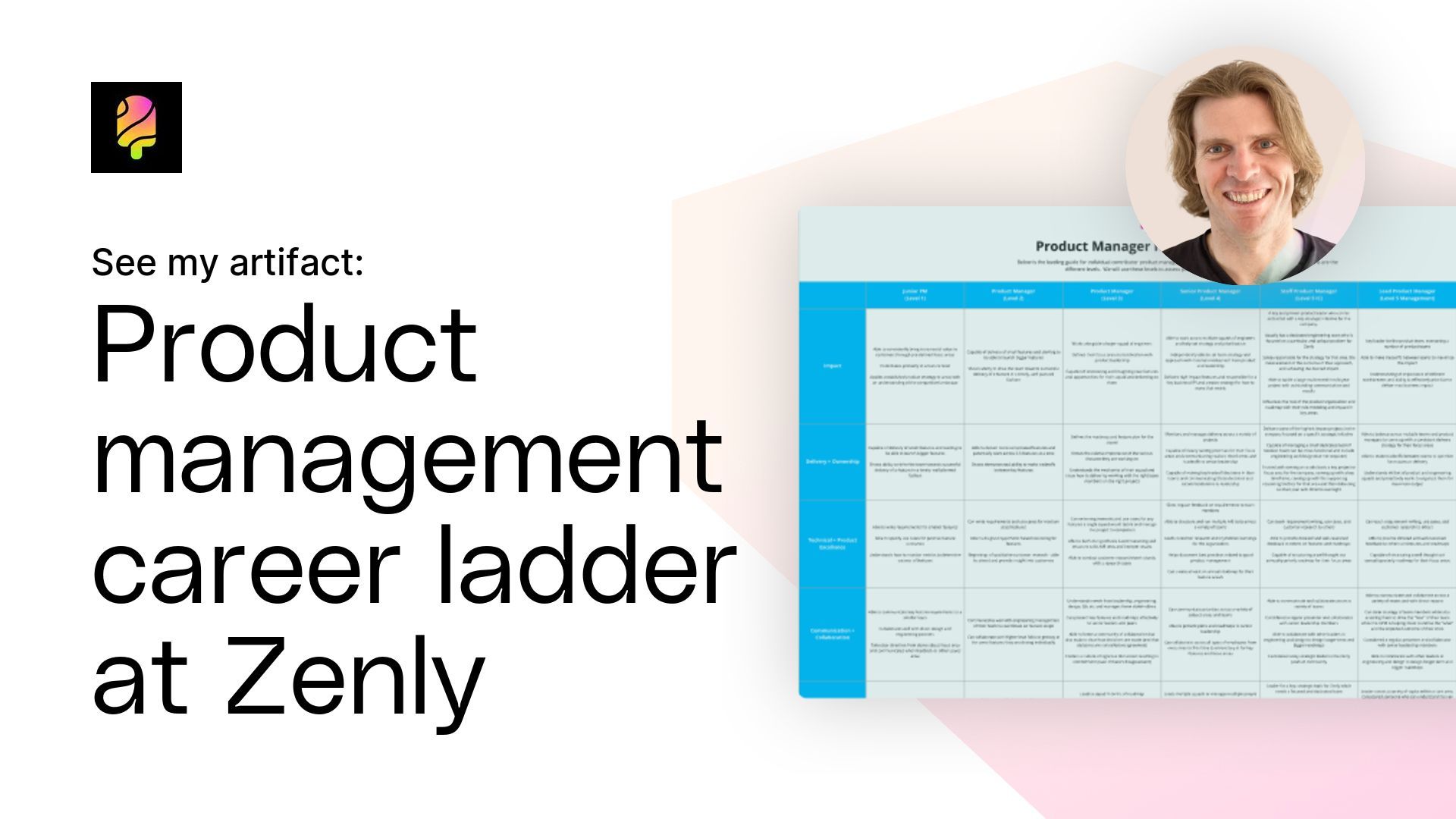
Product Management Career Ladder at Zenly
Zenly's Product Management Career Ladder defines the career progression path for product managers, emphasizing the company's values, culture, and growth opportunities. It outlines the different levels of expertise and leadership within the product management domain, guiding employees on how to navigate their careers and reach their full potential at Zenly.
Design Career Ladders at Veriff and Figma
Veriff and Figma both offer detailed career ladders for designers, illustrating the various stages of growth and specialization within the design discipline. These career ladders outline the skills, competencies, and responsibilities of different design roles, from entry-level designers to design directors, enabling designers to map out their career trajectories and pursue advancement opportunities.
PM Career Ladder at Segment
Segment's PM Career Ladder provides a structured framework for product managers to progress in their careers, with clear criteria for advancement and development. It outlines the core competencies, behaviors, and outcomes expected at each level, empowering product managers to excel in their roles and contribute to the company's success.

Portfolio/Product Marketing and Management Career Journey From Div Manickam
Div Manickam's Portfolio/Product Marketing and Management Career Journey offers valuable insights into the career progression path for marketing and management professionals. It highlights the diverse skill sets and experiences required to succeed in portfolio and product marketing roles, providing inspiration and guidance for individuals seeking to advance their careers in this field.

Engineering Career Ladders at Credit Karma
Credit Karma's Engineering Career Ladders presents a comprehensive framework for engineers to grow and advance within the organization. It outlines the technical expertise, leadership capabilities, and impact metrics associated with different engineering roles, helping engineers understand the expectations and opportunities for career development at Credit Karma.

Marketing Career Framework Guide at Buffer
Buffer's Marketing Career Framework Guide offers a structured approach to career development for marketing professionals, with clear paths for progression and growth. It defines the key competencies, roles, and responsibilities across various marketing disciplines, enabling marketers to plan their career trajectories and pursue advancement opportunities within Buffer.

Conclusion
In conclusion, the creation of an effective career ladder is essential for nurturing career advancement, fostering employee engagement, and promoting organizational success. By offering clear pathways for progression, facilitating ongoing skill development, and establishing transparent criteria for advancement, career ladders empower employees to pursue their professional aspirations while enhancing overall organizational effectiveness.
Through the exemplary frameworks provided by leading companies and the comprehensive steps outlined, individuals and organizations alike can gain valuable insights into building and implementing successful career ladder programs, ultimately contributing to a thriving and dynamic workplace environment.
How To Create an Effective Career Ladder [+ Templates]
In today's dynamic workplace environment, where career growth and progression are highly valued, it's essential to understand the concept of a career ladder. Whether you're an employee seeking advancement opportunities, a human resources professional aiming to foster employee development, or a job seeker exploring potential career paths, insights into career ladders can be instrumental in achieving your goals.
This article explores the significance of career ladders and how to create them effectively, with examples from top companies to illustrate their implementation.
What Is a Career Ladder?
A career ladder, often referred to as a job ladder or corporate ladder, is a structured framework within an organization that outlines the hierarchical progression of roles and responsibilities, starting from entry-level positions and culminating in higher-level or management roles. It serves as a visual representation of the career advancement path available to employees within the organization.
Career ladders are essential for guiding employees along their career paths, providing clarity on the steps they need to take to advance and succeed in their chosen field. They outline the trajectory of advancement, including the new skills, experience, and qualifications required to progress to the next level.
Career ladders also facilitate career planning and development, allowing individuals to set goals and chart their professional growth over time.
Why Are Career Ladders Important for Career Advancement?
Career ladders play a crucial role in career advancement for several reasons:
Clarity and Direction
Career ladders provide employees with a clear roadmap for progression, outlining the specific steps and milestones they need to achieve to advance in their careers. This clarity helps individuals set goals and confidently navigate their career paths.
Skill Development
By delineating the skills and qualifications required for each level of advancement, career ladders encourage continuous learning and skill development. Employees are motivated to acquire new competencies and experiences that will enable them to progress to higher-level roles.
Recognition and Reward
Career ladders establish a framework for recognizing and rewarding employees' contributions and achievements. Advancement along the career ladder is often accompanied by promotions, salary increases, and other forms of recognition, which motivate individuals to strive for excellence in their roles.
Retention and Engagement
Organizations that offer clear career progression pathways are more likely to retain top talent and keep their employees engaged and motivated. Career ladders demonstrate a commitment to employee development and provide opportunities for growth and advancement within the company.
Succession Planning
Career ladders facilitate succession planning by identifying and coaching high-potential employees for future leadership roles. By nurturing talent from within, organizations can ensure a smooth transition of leadership and maintain continuity in key positions.
What Are the Advantages of Using a Career Ladder?
Implementing a career ladder offers several advantages for both employees and organizations. Firstly, it provides a transparent and structured path for career advancement, enabling employees to set clear goals and work towards them systematically. This transparency fosters a sense of direction and motivation among employees, which drives engagement and productivity.
Additionally, career ladders facilitate direct mentorship and skill acquisition. As employees progress through various levels, they receive guidance and support from mentors and supervisors, helping them develop the necessary competencies for higher-level roles. This mentorship accelerates professional growth and fosters a culture of continuous learning within the organization.
Smaller companies, in particular, can leverage career ladders to attract and retain top talent. By offering clear growth opportunities and advancement paths, smaller organizations can compete with larger counterparts and create a compelling value proposition for prospective employees. This, in turn, enhances workforce retention and reduces turnover, ultimately contributing to organizational success.
How To Build the Best Career Ladder in 7 Steps
Developing an effective career ladder requires thoughtful planning and consideration of various factors to ensure it meets the needs of both employees and the organization.
Here are seven key steps to guide you in building a successful career ladder program:
1. Define Career Paths
Begin by outlining the various career paths available within your organization, taking into account different roles, functions, and levels of expertise. This involves mapping out the progression route for each career path, from entry-level positions to senior leadership roles.
2. Identify Key Competencies
Determine the essential skills, knowledge, and competencies required for advancement within each career path. This may include technical skills, leadership abilities, industry certifications, and soft skills such as communication and problem-solving.
3. Establish Clear Criteria for Advancement
Define the criteria and benchmarks that employees must meet to progress along the career ladder. This could include performance metrics, tenure requirements, completion of training programs, and demonstration of specific competencies.
4. Provide Development Opportunities
Offer training, mentorship, and development programs to support employees in acquiring the skills and experience needed for advancement. This could involve formalized training sessions, on-the-job learning experiences, and opportunities for cross-functional collaboration.
5. Promote Transparency and Communication
Ensure transparency in the career advancement process by clearly communicating the expectations, requirements, and opportunities available within the career ladder. Encourage regular discussions between employees and managers to assess progress, provide feedback, and discuss career goals.
6. Offer Flexibility and Pathways
Recognize that career paths are not always linear and may involve lateral moves, current job rotations, or alternative pathways for advancement. Provide flexibility within the career ladder framework to accommodate diverse career trajectories and individual preferences.
7. Continuously Evaluate and Adapt
Regularly review and evaluate the effectiveness of the career ladder program, soliciting feedback from employees and stakeholders. Identify areas for improvement and make adjustments as necessary to ensure the program remains relevant and aligned with organizational goals.
Top Career Ladder Examples From Leading Companies
Here are several exemplary career ladder frameworks developed by top companies, offering insights into various professional paths and progression opportunities:
Product Manager Career Leveling Guide at Eventbrite
Eventbrite's Product Manager Career Leveling Guide provides a comprehensive overview of the skills, responsibilities, and career advancement opportunities for product managers within the company. It outlines the key competencies required at each level, from entry-level roles to senior leadership positions, helping employees understand the expectations and pathways for growth in the product management field.
PM Career Ladder at Webflow
Webflow's PM Career Ladder offers a structured framework for product managers to advance their careers within the organization. It delineates the progression from junior to senior roles, highlighting the specific skills, experiences, and achievements necessary for promotion. The career ladder provides clarity and transparency, empowering product managers to chart their professional development journey at Webflow.
Product Management Career Ladder at Zenly
Zenly's Product Management Career Ladder defines the career progression path for product managers, emphasizing the company's values, culture, and growth opportunities. It outlines the different levels of expertise and leadership within the product management domain, guiding employees on how to navigate their careers and reach their full potential at Zenly.
Design Career Ladders at Veriff and Figma
Veriff and Figma both offer detailed career ladders for designers, illustrating the various stages of growth and specialization within the design discipline. These career ladders outline the skills, competencies, and responsibilities of different design roles, from entry-level designers to design directors, enabling designers to map out their career trajectories and pursue advancement opportunities.
PM Career Ladder at Segment
Segment's PM Career Ladder provides a structured framework for product managers to progress in their careers, with clear criteria for advancement and development. It outlines the core competencies, behaviors, and outcomes expected at each level, empowering product managers to excel in their roles and contribute to the company's success.
Portfolio/Product Marketing and Management Career Journey From Div Manickam
Div Manickam's Portfolio/Product Marketing and Management Career Journey offers valuable insights into the career progression path for marketing and management professionals. It highlights the diverse skill sets and experiences required to succeed in portfolio and product marketing roles, providing inspiration and guidance for individuals seeking to advance their careers in this field.
Engineering Career Ladders at Credit Karma
Credit Karma's Engineering Career Ladders presents a comprehensive framework for engineers to grow and advance within the organization. It outlines the technical expertise, leadership capabilities, and impact metrics associated with different engineering roles, helping engineers understand the expectations and opportunities for career development at Credit Karma.
Marketing Career Framework Guide at Buffer
Buffer's Marketing Career Framework Guide offers a structured approach to career development for marketing professionals, with clear paths for progression and growth. It defines the key competencies, roles, and responsibilities across various marketing disciplines, enabling marketers to plan their career trajectories and pursue advancement opportunities within Buffer.
Conclusion
In conclusion, the creation of an effective career ladder is essential for nurturing career advancement, fostering employee engagement, and promoting organizational success. By offering clear pathways for progression, facilitating ongoing skill development, and establishing transparent criteria for advancement, career ladders empower employees to pursue their professional aspirations while enhancing overall organizational effectiveness.
Through the exemplary frameworks provided by leading companies and the comprehensive steps outlined, individuals and organizations alike can gain valuable insights into building and implementing successful career ladder programs, ultimately contributing to a thriving and dynamic workplace environment.